
Finding the right rehabilitation center in Lahore can be one of the most important decisions for someone struggling with addiction, emotional difficulties, or mental health challenges. Recovery is not simply about stopping harmful behaviors. It involves rebuilding physical health, restoring emotional well-being, and creating a stable foundation for the future.
Many people delay seeking help because they believe their situation will improve on its own. Others worry about stigma or feel unsure about where to begin. In reality, professional rehabilitation provides structured support, medical guidance, and evidence-based treatment that can significantly improve recovery outcomes.
At Koshish Clinic, we believe that every person deserves compassionate care and an opportunity to recover in a safe and supportive environment. Our rehabilitation programs focus on helping individuals regain control of their lives through personalized treatment, counseling, and long-term recovery planning.
A rehabilitation center is a specialized healthcare facility that helps individuals recover from addiction, mental health challenges, behavioral difficulties, and other conditions that affect daily functioning. The goal of rehabilitation is not only to reduce symptoms but also to help individuals develop the skills and confidence needed to maintain long-term well-being.
Professional rehabilitation combines medical care, psychological support, counseling, therapy, and recovery planning. This comprehensive approach helps individuals address the underlying causes of their struggles while learning healthier ways to manage stress, emotions, and life challenges.
Every person’s recovery journey is different. For this reason, treatment plans are tailored to individual needs, ensuring that patients receive the appropriate level of care and support throughout the rehabilitation process.
Substance addiction can affect physical health, relationships, employment, and overall quality of life. Our rehabilitation programs help individuals safely overcome substance dependence through medical supervision, therapy, and relapse prevention planning. Patients who require specialized addiction care can also explore our comprehensive drug rehabilitation services for structured recovery support.
Alcohol dependency often develops gradually and may become difficult to manage without professional intervention. Rehabilitation programs provide medical detoxification, counseling, and long-term recovery support designed to help individuals achieve and maintain sobriety. Treatment focuses on both physical recovery and emotional healing to improve long-term outcomes.
Mental health challenges can affect how individuals think, feel, and function in daily life. Conditions such as anxiety, depression, trauma, and emotional stress often require structured support and professional guidance. Through our psychological services, individuals receive counseling, therapy, and coping strategies that promote emotional wellness and personal growth.
Some individuals benefit from ongoing psychiatric care alongside rehabilitation services. Professional psychiatric support may include clinical evaluations, medication management, emotional support, and treatment planning. This integrated approach helps patients manage symptoms effectively while working toward long-term stability and recovery.
Many people assume rehabilitation is only for severe addiction. In reality, rehabilitation services support a wide range of individuals facing different challenges.
People struggling with substance use disorders often benefit from structured treatment programs that provide medical supervision and recovery support. Individuals experiencing anxiety, depression, trauma, emotional burnout, or behavioral difficulties may also benefit from rehabilitation services designed to improve mental and emotional health.
Rehabilitation can also help individuals who have experienced repeated relapses, difficulty maintaining daily responsibilities, or ongoing challenges that affect relationships, work performance, or personal well-being. Early intervention often leads to better outcomes and a smoother recovery journey.
Recovery begins with a comprehensive assessment. Medical professionals evaluate physical health, emotional well-being, treatment history, and personal goals to develop an individualized care plan.
Once the assessment is complete, patients begin a structured treatment program that may include detoxification, counseling, therapy, psychiatric support, educational sessions, and recovery-focused activities. Treatment is adjusted as progress is made to ensure patients receive the support they need at every stage.
The final stage focuses on preparing individuals for long-term success. This includes relapse prevention planning, coping strategies, family involvement, and ongoing support designed to help patients maintain progress after completing treatment.
For individuals struggling with substance dependence, detoxification is often the first step toward recovery. Detox helps the body remove harmful substances while managing withdrawal symptoms in a safe and controlled environment. Depending on the substance involved, withdrawal symptoms may include anxiety, irritability, sleep disturbances, nausea, body aches, and intense cravings.
Medical supervision during detox is important because some withdrawal symptoms can become serious without professional care. At Koshish Clinic, patients receive continuous monitoring, supportive care, and personalized treatment designed to improve comfort and safety throughout the detox process. Detox alone is not a complete solution, but it creates a strong foundation for the next stages of recovery.
Recovery involves more than physical healing. Many individuals facing addiction or emotional challenges also struggle with stress, anxiety, depression, trauma, or low self-esteem. Without addressing these underlying concerns, long-term recovery can become much more difficult.
Professional psychological support helps individuals understand their thoughts, emotions, and behaviors while developing healthier coping strategies. Through counseling, therapy, and emotional support, patients learn how to manage challenges in a productive way. Our psychological services in Lahore help individuals build resilience, improve emotional well-being, and strengthen their ability to maintain long-term recovery.
Cognitive Behavioral Therapy (CBT), supportive counseling, and recovery-focused therapy sessions are commonly used to help individuals replace harmful patterns with healthier habits. These evidence-based approaches play an important role in promoting lasting positive change.
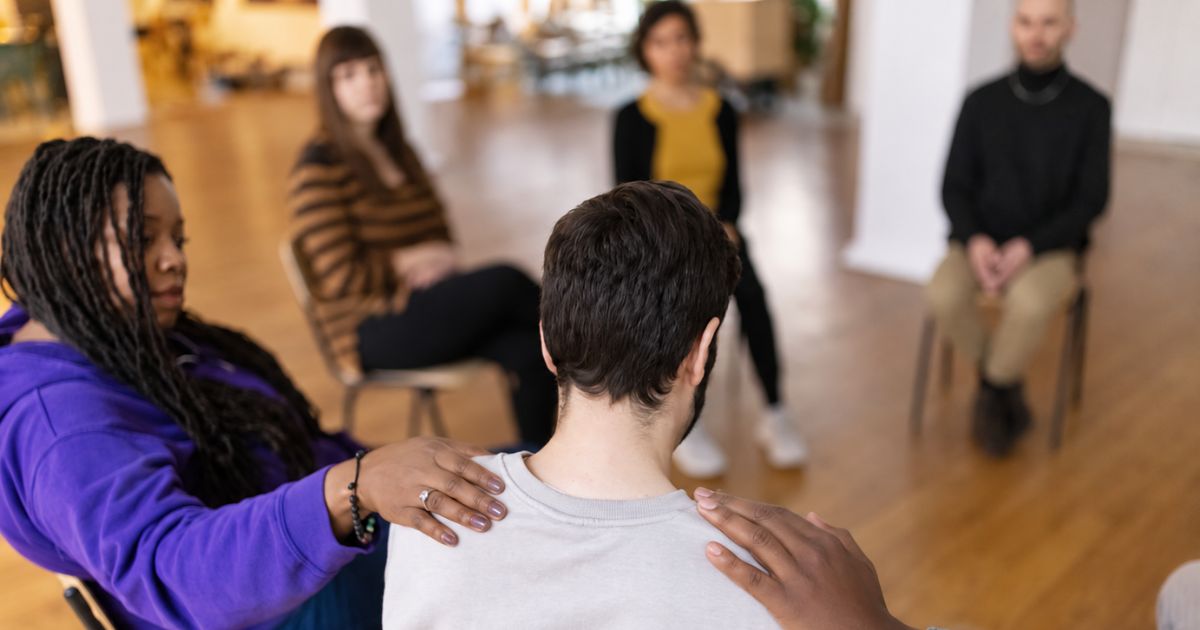
Addiction and mental health challenges often affect entire families. Loved ones may experience stress, confusion, frustration, or emotional exhaustion while trying to support someone who is struggling. For this reason, family involvement can become an important part of the recovery process.
Family counseling helps improve communication, rebuild trust, and provide education about recovery. When families understand the challenges associated with addiction and mental health conditions, they are better equipped to provide meaningful support. Strong family involvement often improves treatment outcomes and helps individuals remain motivated throughout their recovery journey.
Not every individual requires the same type of rehabilitation program. The most appropriate treatment option depends on the severity of symptoms, personal circumstances, medical needs, and recovery goals.
Feature | Inpatient Rehabilitation | Outpatient Rehabilitation |
Living Arrangement | Residential Care | Home-Based Care |
Medical Supervision | 24/7 Support | Scheduled Visits |
Therapy Intensity | High | Moderate |
Suitable for Severe Conditions | Yes | Limited Cases |
Daily Flexibility | Low | High |
Inpatient programs provide a highly structured environment where patients can focus entirely on recovery. Outpatient programs allow individuals to continue certain responsibilities while receiving professional treatment and support. A professional assessment helps determine which option is most suitable for each individual.
One of the most common mistakes people make is delaying treatment. Many individuals hope problems will resolve on their own or believe they can regain control without professional support. Unfortunately, untreated addiction and mental health challenges often become more severe over time.
Early intervention can prevent complications, reduce long-term risks, and improve recovery success rates. Seeking help before a condition worsens allows individuals to receive support at the right time and begin making positive changes before significant damage occurs. Recovery becomes more manageable when treatment starts early rather than after years of struggling alone.
Koshish Clinic proudly supports individuals and families from across Lahore who are seeking professional rehabilitation and recovery services. Patients regularly visit us from DHA, Johar Town, Gulberg, Bahria Town, Model Town, Wapda Town, Cantt, and surrounding communities.
Having access to local rehabilitation services allows families to remain involved throughout treatment while making follow-up care and ongoing support more accessible. Our goal is to provide high-quality rehabilitation services that help individuals throughout Lahore achieve lasting recovery and improved well-being.
Choosing the right rehabilitation center can have a significant impact on recovery outcomes. At Koshish Clinic, we focus on providing compassionate, evidence-based care that addresses both the physical and emotional aspects of recovery.
Every treatment plan is personalized to meet individual needs. Our multidisciplinary team works closely with patients to create structured recovery programs that promote long-term success rather than temporary improvement.
A rehabilitation center provides professional treatment, counseling, therapy, medical support, and recovery planning for individuals struggling with addiction, mental health challenges, and behavioral difficulties.
The duration varies depending on the individual’s condition, treatment goals, and recovery progress. Some patients benefit from short-term programs, while others require ongoing support and aftercare.
Yes. Professional rehabilitation centers maintain strict confidentiality standards to protect patient privacy and ensure a safe treatment environment.
Yes. Many individuals experience both addiction and mental health challenges. Integrated treatment programs address both conditions simultaneously to improve recovery outcomes.
Family support often plays a positive role in recovery. Counseling and educational sessions help families understand the recovery process and provide healthier support.
Patients may continue receiving aftercare services, counseling, relapse prevention support, and follow-up care to maintain long-term progress and recovery.
Recovery is not simply about overcoming a challenge. It is about creating a healthier, more stable future. Whether someone is struggling with addiction, emotional difficulties, or mental health concerns, professional rehabilitation can provide the guidance and support needed to move forward with confidence.
At Koshish Clinic, our rehabilitation center in Lahore focuses on personalized care, evidence-based treatment, and long-term recovery planning. We believe every individual deserves the opportunity to heal, grow, and rebuild their life in a supportive environment.
Seeking help is often the most difficult step, but it is also the most important one. With professional care, family support, and a commitment to recovery, lasting positive change is possible.
We are committed to guiding people on their journey to recovery with professional care, compassion, and proven treatment programs.
Copyright © 2025 Zuriel Digital Sol. All Rights Reserved.
WhatsApp us