
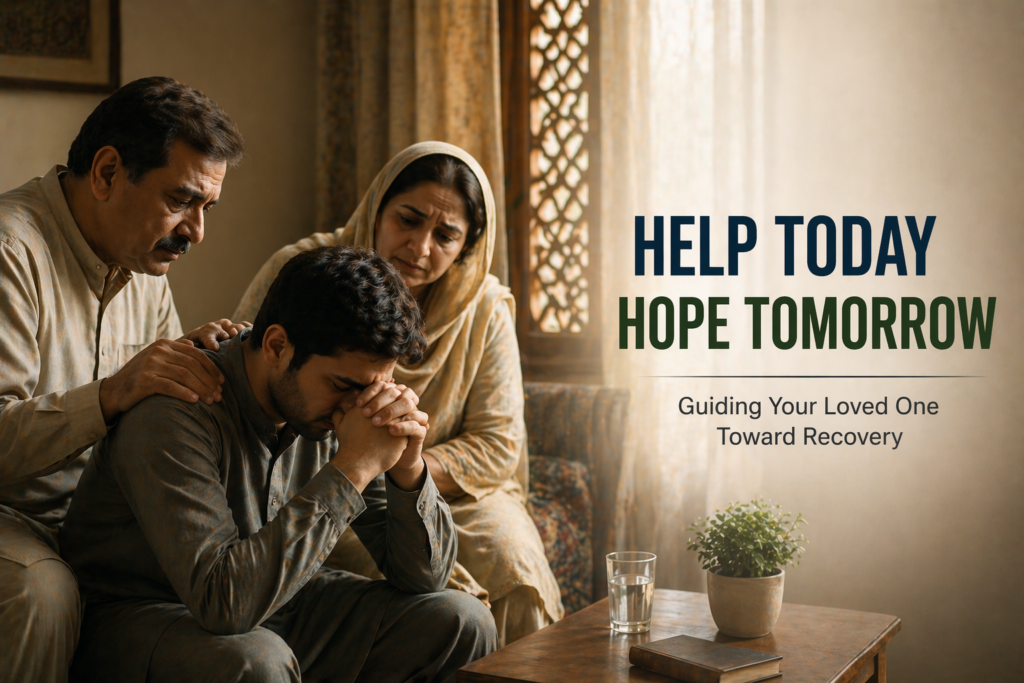
Watching someone you love struggle with addiction can bring fear, anger, guilt, confusion, and exhaustion into the entire family. You may spend your time trying to prevent the next crisis, repair damaged relationships, or persuade the person to change. Even when your efforts come from love, it can be difficult to know what is genuinely helpful.
Your support can make it easier for a family member to consider treatment, stay connected to care, and continue working toward recovery. However, you cannot make their decisions or manage their recovery for them. The most useful approach combines compassion with practical help, clear boundaries, professional guidance, and attention to everyone’s safety.
This article provides general information and is not a substitute for advice from a doctor or qualified addiction professional. If someone is unconscious, cannot be awakened, has serious difficulty breathing, or may harm themselves or another person, contact your local emergency service immediately.
Substance use can affect people in different ways, and one unusual behavior does not prove that someone has an addiction. Instead of relying on a single incident, look for repeated changes that are causing problems in several parts of the person’s life.
Behavioral signs may include using more of a substance than intended, being unable to cut down, spending increasing amounts of time obtaining or using it, or continuing despite harmful consequences. The person may miss work or school, neglect responsibilities, drive while impaired, become secretive, or lose interest in activities that once mattered to them.
Physical and emotional changes can include disrupted sleep, major changes in appetite or weight, poor hygiene, unusual tiredness, agitation, anxiety, low mood, memory problems, or unpredictable behavior. Some people develop tolerance, meaning they need more of a substance to get the same effect, or withdrawal symptoms when they reduce or stop using it.
Social and financial warning signs may include withdrawing from family, changing friendship groups, experiencing frequent conflict, asking for money without a clear explanation, accumulating debt, or taking money or valuables. These signs can have other causes, so avoid trying to diagnose the person yourself. A qualified healthcare professional can assess what is happening and recommend appropriate next steps.
Addiction is not simply a lack of willpower or a moral failure. A substance use disorder affects the brain and behavior and can make it extremely difficult for a person to control their use, even when they understand the harm it is causing. Substance use disorders range from mild to severe, and people can recover with suitable care and continued support.
Treatment often needs to address more than substance use alone. A complete assessment may identify physical health concerns, depression, anxiety, trauma, relationship difficulties, housing problems, or challenges at work. When mental health and substance use conditions occur together, coordinated treatment for both can be important.
There is no single treatment that works for everyone. The right plan depends on factors such as the substance involved, the severity of the problem, the person’s health, their home environment, and their practical needs. Understanding this can help families replace blame with a more realistic question: “What combination of care could help this person move forward?”
Helping supports the person’s health, safety, treatment, or ability to take responsibility. This could mean researching qualified providers, driving them to an appointment, caring for their children while they attend treatment, or joining a family counseling session when invited.
Enabling happens when someone repeatedly protects the person from the consequences of harmful behavior. Examples include lying to an employer about missed work, paying substance-related debts, giving money that may be used to buy substances, or taking over responsibilities the person has repeatedly neglected.
The difference often comes down to the purpose and likely result of the action. Ask yourself: “Does this support recovery and responsibility, or does it make continued harmful behavior easier?” Refusing to enable does not mean withdrawing love. It means directing your support toward safer choices while protecting your own well-being.
Choose a private, calm setting with as few distractions as possible. Try to speak when both of you are calm and when your family member is sober rather than intoxicated or experiencing withdrawal. A conversation held during an argument or crisis is more likely to become defensive or unsafe.
Plan the main points you want to communicate before you begin. Focus on two or three specific observations, how they affected you or the family, and the kind of help you are prepared to offer. A simple plan can keep the conversation from turning into a list of every past mistake.
Do not wait for an imaginary “perfect moment” or assume the person must lose everything before help can work. At the same time, postpone a routine conversation if there is an immediate threat of overdose, suicide, violence, or another medical emergency. In that situation, seek emergency help first.
Begin with care and use specific, observable examples. You might say, “I love you, and I’m worried because you have missed work several times and were difficult to wake yesterday.” Another option is, “I feel frightened when you drive after drinking because I’m worried that you or someone else could be hurt.”
Statements like these are more useful than labels such as “You are an addict” or broad accusations such as “You ruin everything.” Avoid lectures, insults, threats you do not intend to carry out, and arguments about the person’s character. Shame and stigma can make it harder for someone to discuss their substance use or accept care.
Be honest about the effects of their behavior without exaggerating. Your goal is not to win an argument or force a confession. It is to clearly communicate what you have observed, why you are concerned, and what help is available.
After expressing your concern, give your family member room to respond. Ask open-ended questions such as, “How do you feel about your substance use?” “What worries you about getting help?” or “What would make taking a first step feel possible?” These questions can reveal fears involving withdrawal, cost, work, privacy, previous treatment experiences, or uncertainty about stopping.
Listen without immediately correcting every statement. Reflecting back what you heard—“It sounds like you are afraid treatment will cost you your job”—shows that you are paying attention without necessarily agreeing. If the person feels heard, the conversation is more likely to remain open.
They may deny the problem, become angry, or end the discussion. Avoid turning the moment into a debate. You can calmly say that you care, that the concern remains, and that you are willing to talk again. Acceptance often develops through more than one conversation.
People are more likely to participate in a plan when they have a voice in it. Instead of demanding one particular program, ask whether they would consider speaking with a primary care doctor, addiction specialist, counselor, treatment service, or peer-support group.
Offer a small number of realistic choices rather than an overwhelming list. For example: “Would you be more comfortable calling a treatment service together or starting with an appointment with your doctor?” Even if the person is not ready for full treatment, they may agree to an assessment or an honest medical conversation.
Respecting their involvement does not require minimizing urgent risk. Severe withdrawal, overdose, suicidal thoughts, psychosis, or violent behavior needs immediate professional attention. When there is no emergency, however, shared decision-making can make treatment feel less like something being done to the person and more like a plan they can help shape.
A professional assessment is a useful starting point because treatment should match the person’s condition and needs. Depending on the substance and the severity of the disorder, care may include:
Medically supervised withdrawal management
Individual, group, couples, or family counseling
Evidence-based behavioral therapies
Medication for certain substance use disorders
Outpatient, intensive outpatient, residential, or hospital-based care
Treatment for co-occurring physical or mental health conditions
Peer-support and mutual-aid groups
Continuing care after the initial phase of treatment
Withdrawal management, sometimes called detox, can stabilize a person and manage acute symptoms, but it is usually only the first stage of care. Ongoing treatment is often needed to address cravings, triggers, health concerns, coping skills, relationships, and the risk of returning to use.
Do not encourage a person who drinks heavily over a long period to suddenly stop without medical advice. Alcohol withdrawal can become life-threatening for some people and may require medical monitoring. A doctor or addiction professional can assess the risk and recommend a safer level of care.
The first step can feel harder than the entire plan. You can reduce practical barriers by finding qualified services, checking opening hours, asking about costs or insurance, arranging transportation, or sitting with the person while they make a call. If they want support, you could accompany them to an initial appointment.
Look for providers that use evidence-based care, assess the whole person, explain their treatment methods, and offer a continuing-care plan. Be cautious of services that promise a guaranteed cure, present one approach as suitable for everyone, or pressure the family into making an immediate financial commitment without a proper assessment.
Move quickly when your family member says they are ready. Motivation can change, and delays such as unanswered calls, confusing admission rules, or transportation problems can become reasons to postpone care. Practical help is valuable, but let the person complete the steps they are capable of taking so they remain involved in their own recovery.
Boundaries identify what you will do to protect your safety, home, finances, and emotional health. They are not a way to control another adult. Useful boundaries are specific, realistic, and connected to actions you can actually take.
Depending on your situation, you may decide that substance use or drug paraphernalia is not allowed in your home, that you will not ride with someone who has been using, or that you will leave and contact emergency services if the person becomes violent. Other boundaries may address stealing, threats, verbal abuse, unsafe care of children, or intoxicated driving.
Safety must come before preserving appearances or avoiding conflict. If children, older adults, or other vulnerable people live in the home, include their needs when deciding what is acceptable. A counselor, domestic violence service, lawyer, or addiction professional can help you plan when the situation involves abuse, custody, housing, or financial risk.
It is natural to want to rescue someone you love, especially when they face job trouble, debt, damaged relationships, or legal problems. However, repeatedly fixing problems caused by their substance use can allow the same pattern to continue.
You might decide not to call in sick for them, lie to relatives, replace money they have spent, pay debts connected to substance use, or take responsibility for promises they made. These limits are different from refusing emergency care or basic compassion. The aim is to stop participating in the harmful pattern, not to punish or humiliate the person.
Before offering help, consider whether it is tied to a constructive next step. Paying directly for an assessment, providing transport to treatment, or helping with childcare during counseling supports care. Handing over unrestricted money after repeated substance-related financial problems may not.
Explain boundaries when everyone is calm. State the behavior, the action you will take, and the reason. For example: “If you arrive while intoxicated and begin threatening anyone, the children and I will leave and contact emergency services. We need to be safe.”
Focus on your own actions instead of making demands you cannot enforce. “I will not give you cash” is a boundary. “You are never allowed to use again” attempts to control the other person’s behavior. Keep the message brief and avoid presenting boundaries in the middle of a shouting match.
Only describe consequences you are prepared to follow. Changing the rule each time can create confusion and more conflict. Consistency does not mean refusing to reconsider a boundary when circumstances change; it means making any changes thoughtfully, preferably with professional advice, rather than under pressure during a crisis.
An overdose is a medical emergency. Possible warning signs of an opioid overdose include being unconscious or impossible to wake, very slow, shallow, or absent breathing, choking or gurgling sounds, a limp body, very small pupils, and pale, blue, gray, or otherwise discolored lips, skin, or nails.
It can be difficult to tell whether someone is heavily intoxicated or overdosing. If you cannot wake the person or their breathing is abnormal, do not wait for certainty. Contact your local emergency service and follow the dispatcher’s instructions.
Other substances can produce different overdose symptoms, including seizures, extreme agitation, severe chest pain, dangerous overheating, confusion, or loss of consciousness. Treat any severe or rapidly worsening reaction as an emergency.
Contact your local emergency service immediately. Give naloxone if it is available and you suspect opioids may be involved, following the product instructions or your training. Naloxone can temporarily reverse the effects of an opioid overdose, but it does not replace emergency medical care.
Try to keep the person awake and breathing. Place them on their side to reduce the risk of choking, unless the emergency dispatcher gives different instructions. Stay with them until help arrives. If they are not breathing normally, follow the dispatcher’s directions and provide rescue breathing or CPR if you are trained to do so.
More than one naloxone dose may sometimes be needed. Continue to follow the product directions and emergency guidance. Even if the person wakes up, they still need medical assessment because naloxone’s effect can wear off and the overdose symptoms may return.
A written plan makes it easier to act during a frightening situation. Include your local emergency number, the address of the home, important medical details if known, and the location of naloxone. Family members who may witness an opioid overdose should know where naloxone is kept and how to use it.
Store medications securely and keep potentially dangerous substances away from children and other household members. Decide in advance who will care for children, where family members can go if the home becomes unsafe, and who can provide transport or meet emergency workers.
The plan should also cover threats of suicide, serious self-harm, or violence. Do not try to manage these situations alone or physically restrain the person. Move yourself and others to safety when possible and contact emergency or crisis services in your area.
Recovery is usually an ongoing process rather than a single event. Ask your family member what kind of support would be useful. They may want reminders about appointments, transport, help organizing medication, or company at a support meeting. Respect their privacy and allow them to take increasing responsibility as they become more stable.
Regular sleep, nutritious meals, physical activity, structured daily responsibilities, and substance-free social activities can support overall health. New hobbies, education, volunteering, faith activities, or time with supportive people can also help fill the space previously occupied by substance use.
Encourage them to stay connected with their treatment team and discuss problems early. Cravings, medication concerns, depression, anxiety, housing instability, or conflict at work can all affect recovery. Professionals can adjust the plan as the person’s needs change.
A return to substance use is serious because it may bring overdose, medical, and safety risks. However, it does not automatically mean that treatment has failed or that all previous progress has disappeared. Substance use disorders can require continuing care and more than one treatment episode.
Respond first to immediate safety. After the crisis has passed, encourage the person to contact their treatment provider, review what happened, and revise the plan. The provider may recommend a different level of care, medication changes, more frequent counseling, or additional support for triggers and co-occurring conditions.
Avoid using the setback as proof that the person is hopeless. Shame can make honesty and re-engagement more difficult. A calm response can hold the person accountable while still emphasizing the next useful action: returning to care and reducing the risk of another crisis.
Recovery can include major milestones and small changes. Attending an assessment, returning to treatment after a setback, taking medication as prescribed, speaking honestly about cravings, avoiding impaired driving, rebuilding a routine, or repairing a relationship can all represent movement in a healthier direction.
Recognize progress without trying to monitor every decision. You might say, “I know making that appointment was difficult, and I’m glad you went.” Specific encouragement is usually more meaningful than general praise because it identifies the behavior that supported recovery.
The goals of treatment should be developed with qualified professionals and the person receiving care. Families can encourage those goals, but they should not invent their own medical plan or treat one imperfect day as evidence that nothing is working.
Addiction can reshape family routines, roles, finances, and communication. You deserve support even if your family member refuses treatment. An individual therapist, family counselor, healthcare professional, faith leader, or peer group for relatives can give you a confidential place to discuss fear, grief, anger, and practical decisions.
Family counseling may help relatives improve communication, understand patterns that have formed around substance use, and develop healthier ways to respond. In some cases, family involvement can also support treatment engagement and recovery, particularly when it is guided by a trained professional.
Do not wait until you are completely exhausted before seeking help. Support for yourself is not a sign that you caused the addiction or failed to manage it. It is a way to protect your health and make clearer decisions.
Try to maintain basic routines involving sleep, meals, exercise, work, medical care, friendships, and activities that restore your energy. Constantly monitoring another person can consume your attention and increase stress. Schedule time when addiction is not the center of every conversation or decision.
Protect important documents, medications, passwords, bank accounts, cards, and valuable belongings when there has been stealing, pressure for money, or unsafe behavior. Consider professional financial or legal advice if debts, shared property, custody, or housing are at risk.
Share responsibilities with trustworthy people rather than becoming the only person handling every crisis. Be honest about what you can and cannot do. Sustainable support is more helpful than making promises that leave you physically, emotionally, or financially depleted.
Helping a family member never requires you to accept violence, intimidation, stalking, threats, unsafe driving, or harm to children. If you feel unsafe, leave when you can and contact local emergency services or a domestic violence service. Do not announce a boundary in person if doing so could increase the danger.
Stepping back may mean limiting contact, meeting only in public, communicating through another person, refusing to provide housing, or requiring specific safety conditions before contact resumes. The right plan depends on the risk and your local legal options, so seek qualified guidance.
You can care deeply about someone while recognizing that you cannot safely remain close to their current behavior. Distance is not necessarily abandonment. Sometimes it is the action needed to protect you, the rest of the family, and the possibility of a healthier relationship later.
A refusal today does not guarantee a refusal forever. End an unproductive conversation calmly and leave a clear path back to help. You could say, “I understand that you do not want treatment right now. My concern has not changed, and I will help you contact a professional when you are ready.”
Revisit the subject at an appropriate time, especially when the person expresses concern about their health, relationships, work, or substance use. Avoid raising it during every interaction. Constant pressure can turn each conversation into a predictable argument and make honest communication less likely.
Continue using respectful, person-first language. You do not need the person to accept a label before discussing observable harm. Stay focused on what is happening and what practical help is available.
Refusing treatment does not obligate you to provide cash, lie for the person, tolerate abuse, or keep an unsafe living arrangement unchanged. Continue the boundaries you communicated and follow through with the actions you said you would take.
Family members should try to avoid sending conflicting messages. If one person sets a limit while another repeatedly removes it, the situation can become harder to manage. A family counselor or addiction professional can help relatives agree on safe, realistic responses.
Review boundaries if the level of risk changes. A rule that was adequate during a stable period may not be enough after violence, an overdose, suicidal behavior, or serious harm to a child. In an emergency, prioritize immediate safety rather than waiting for the person to agree to treatment.
You can consult an addiction professional even if your family member will not participate. Describe the substances involved, known medical or mental health conditions, previous treatment, recent crises, and the effect on the household. The professional can help you identify appropriate services, improve communication, and decide whether a more structured approach is suitable.
If you are considering a formal intervention, do not organize a surprise confrontation without guidance. A poorly planned intervention may leave the person feeling attacked and more resistant to help. A qualified addiction counselor, mental health professional, doctor, social worker, or experienced intervention professional can help assess the risks and create a treatment and follow-up plan.
Professional involvement is especially important when the person has threatened suicide, has a history of violence, has a serious mental health condition, or may be using several substances. In an immediate crisis, contact emergency services rather than waiting to arrange an intervention.
In most non-emergency situations, you cannot personally force another adult to accept treatment. You can express concern, offer practical help, set boundaries, and ask professionals to explain the available options, but the person usually makes their own healthcare decisions.
Emergency evaluation or legally required treatment may be possible in limited circumstances, such as an immediate danger to the person or others. The rules, legal standards, and procedures differ between countries and between states or regions. Contact local emergency services, a healthcare professional, or an appropriate legal authority for advice about your situation. Do not try to detain or transport a resisting person yourself.
Parents or guardians may have more decision-making authority for minors, but local law and the child’s medical needs still matter. A pediatrician, adolescent addiction specialist, or local treatment service can explain the appropriate process.
Avoid arguing over whether they “are an addict.” Return to facts you directly observed: “You missed work twice this week,” “You drove after drinking,” or “You were unconscious and I could not wake you.” Explain how the event affected you and why it raised concern.
You might say, “You may not see this the same way I do, but I am worried. Would you be willing to speak with a doctor and hear their opinion?” If they refuse, end the conversation before it becomes hostile and try again later.
Denial does not mean you must ignore dangerous behavior. Maintain your boundaries and respond immediately to overdose, threats, violence, or other emergencies.
Offer assistance that moves the person toward health and responsibility. Examples include locating qualified care, providing transportation to treatment, helping with childcare during appointments, learning how to use naloxone, or taking part in family therapy when appropriate.
Avoid actions that hide the problem or repeatedly remove its consequences, such as lying, providing unrestricted money, taking over neglected responsibilities, or tolerating abusive behavior. Ask whether your action is likely to support treatment and safety or make continued harmful use easier.
You will not handle every decision perfectly. If you are unsure, pause before responding and speak with an addiction professional, therapist, or family support service. Clear advice can help you offer compassion without losing your own safety and stability.
Supporting a family member with addiction requires patience, but it also requires limits. You cannot complete recovery on another person’s behalf, and you are not responsible for controlling every choice they make. What you can do is speak with care, offer practical paths to treatment, prepare for emergencies, maintain clear boundaries, and protect the well-being of the whole family.
Recovery is possible, and families can play a meaningful role. Sometimes that role involves standing beside the person in treatment. At other times, it means refusing to participate in harmful patterns or stepping back until contact is safer. Compassion and accountability can exist together—and both can help create the conditions for change.
We are committed to guiding people on their journey to recovery with professional care, compassion, and proven treatment programs.
Copyright © 2026 Zuriel Digital Sol. All Rights Reserved.
WhatsApp us