Professional Drug Counseling Services in Lahore for Safe and Effective Recovery
Drug problems are rising fast in Lahore. Many families feel lost because they don’t know where to get real help. Professional drug counseling services in Lahore offer a safe path toward healing. These services guide people through emotional struggles, withdrawal symptoms, and mental pressure. They also connect patients with drug addiction treatment in Lahore, Koshish Clinic, and other trusted support systems for long-term healing. Many people search for where to get psychological services in Lahore, and proper guidance can change their whole life.
Professional counseling gives you a calm space to talk, think, and recover. It helps people understand why they depend on substances and how they can break the cycle. The right care can create hope, confidence, and long-lasting change through trusted Lahore addiction recovery services and healthy life habits.
What Are Drug Counseling Services and Why They Matter in Lahore
Professional drug counseling services offer tailored guidance for people trying to break free from substance dependence, helping them rebuild stability, confidence, and a healthier future. The sessions focus on feelings, behavior, stress, and the causes behind addiction. Many people deal with hidden trauma or pressure, and counseling brings these issues to light. This support opens the door to recovery through safe drug rehabilitation counseling and mental health counseling Lahore.
Lahore has seen more drug-related problems in recent years. Families search for trusted experts who offer real solutions. Counseling builds awareness and provides emotional safety. People also learn coping methods and healthier routines. This makes professional addiction counseling Lahore vital for individuals and families in the city.
Core Purpose of Drug Counseling in Modern Addiction Care
The main purpose of counseling is emotional healing. It helps people think clearly, break harmful habits, and rebuild self-worth. These sessions also guide patients toward mental health and addiction treatment and long-term stability.
Early Signs You Need Professional Drug Counseling Support
Some signs appear early. Sudden anger, mood swings, poor sleep, and secrecy can point to a deeper issue. When someone changes habits fast or pulls away from loved ones, they may need counseling. These changes often match the signs of drug addiction seen in larger treatment centers.
Physical signs also show up. Shaking, cravings, and poor health suggest dependency. The sooner someone reaches out for help, the easier recovery becomes. Many people ignore symptoms until they grow worse. Reaching out early to qualified drug counseling professionals can prevent addiction from deeply harming your health, relationships, and overall quality of life.
When Occasional Use Turns Into a Pattern
A person loses control slowly. Something that starts as casual use becomes a routine. This is when symptoms of drug dependence begin to appear, and counseling becomes necessary.
Types of Drug Counseling Services Available in Lahore
Lahore offers many forms of counseling. Some people prefer one-on-one sessions. Others need family or group counseling. Private clinics, hospitals, and community centers provide a mix of emotional care, therapy, and medical guidance through drug rehabilitation services Pakistan.
Many people also need psychiatric help. This includes evaluation, psychological testing, and planning. These steps ensure that treatment fits each person’s needs. Trusted centers such as Koshish Rehab, along with other reputable clinics, provide comprehensive counseling and professional support for people facing substance use disorders.
Integrated Treatment Models Growing in Lahore
Integrated treatment combines therapy, detox, and emotional care. The goal is a complete system that strengthens the mind and body through structured substance abuse counseling services.
Benefits of Seeking Licensed Addiction Counselors in Lahore
Licensed counselors bring professionalism and safety. They use scientific methods to guide patients gently. Chennai focuses on emotional comfort and mental clarity. They also offer sessions backed by evidence-based addiction treatment, which improves recovery chances.
Licensed experts respect your privacy. They understand trauma and how drugs affect the brain. Their training helps patients find hope and balance. Families trust them because they use safe plans backed by licensed addiction specialists in Pakistan.
Why Credentials and Licensing Truly Matter
Credentials protect patients from fake treatment centers. Qualified counselors follow rules, offer safe advice, and provide real care. This prevents risks linked with untrained providers.
How Drug Counseling Helps Treat Substance Use Disorders
Therapists teach patients how to break harmful habits. They help people understand why they use substances. They also show ways to control emotions, stress, and cravings. This improves the person’s daily life. Many also learn new routines through therapy for drug dependence.
Counseling replaces negative thinking with healthy ideas. Patients explore their triggers and avoid risky situations. This approach supports long-term change. Many people use counseling along with substance abuse treatment in Pakistan for complete recovery.
Rebuilding Self-Worth Through Guided Counseling
Counseling helps people rebuild confidence. Small steps create big progress. This emotional growth supports long-term recovery.
Behavioral and Psychological Therapies Used in Addiction Counseling
Behavioral therapy is powerful. It helps people understand why they act in certain ways. Therapists use methods like CBT to stop destructive thinking. This strengthens the mind and reduces cravings. These sessions often occur in addiction therapy Pakistan.
Psychological therapy brings emotional healing. Trauma therapy, motivational support, and mindfulness also help. Patients learn new thinking patterns. A growing number of treatment centers now rely on Cognitive Behavioral Therapy to help individuals break unhealthy patterns behind substance misuse and rebuild healthier routines.
Modern Therapy Approaches Gaining Popularity in Lahore
Lahore also uses telehealth. This includes telemedicine addiction counseling Pakistan for people who cannot visit clinics. It provides helpful sessions through video calls.
Drug Counseling for Teens, Adults, and Families in Lahore
Teens need gentle guidance. They face pressure, confusion, and emotional stress. Counseling helps them express feelings safely. Teens also benefit from awareness programs and early diagnosis. These steps protect them from risky behavior through drug misuse and risk factors education.
Adults need structured plans. Job stress, family problems, and emotional wounds can push people toward drugs. Counseling helps adults balance life and recovery. Families also join sessions to rebuild trust through peer support for addiction recovery and emotional bonding.
Why Family Support Increases Recovery Success Rates
Family involvement increases success. Loved ones create emotional support. Their understanding helps the person avoid relapse.
Outpatient vs. Inpatient Counseling: Which One Is Right for You
Outpatient counseling helps people who need flexibility. They live at home but attend sessions weekly. This works well for milder cases. Outpatient systems like outpatient addiction treatment Lahore provide safety without full-time stay.
Inpatient counseling delivers strong support. People stay in a safe center with 24-hour care. This is helpful for serious addiction cases. These programs include inpatient rehab programs Pakistan and full monitoring.
Hybrid Treatment Models Becoming Common in Lahore
Some centers offer mixed programs. These combine both methods. Patients receive intense care while staying connected to home.
How to Choose the Best Drug Counseling Center in Lahore
Choosing the right center is important. You should check licenses, staff experience, and treatment plans. Look for places that offer medical detox and psychological care. Hospitals and clinics with strong records often provide medical detox in Lahore.
A good center is calm, clean, and professional. It must protect your privacy. Reputable places include the best rehab centers in Lahore. Avoid centers that make big promises but show little proof. Patients deserve real and reliable care.
Warning Signs of Low-Quality or Fake Rehab Centers
Centers with no medical team, no licensed therapists, or no proper detox plans are dangerous. Untrained staff can harm patients and cause relapse.
Long-Term Recovery: Aftercare, Relapse Prevention, and Mental Health Support
Recovery takes time. Aftercare helps people stay on track. This includes weekly sessions, follow-ups, and group meetings. These programs teach skills to manage stress and prevent relapse through relapse prevention programs.
Mental health support also matters. Anxiety and depression are common in recovering patients. Healthy habits, regular checkups, and emotional care support complete healing. Support groups and support groups for addiction in Lahore build strength and confidence.
Building a Recovery Lifestyle That Lasts
A stable lifestyle keeps the mind and body healthy. Good habits, support, and self-care create long-term stability.
Conclusion
Professional drug counseling services in Lahore help people rebuild their life. They offer hope, stability, and emotional healing. Good counseling stops harmful behavior and creates new strength. With the help of trusted experts and strong support programs, long-term recovery becomes possible.
FAQs
What is professional drug counseling? It is a process where trained experts help people understand and control addiction.
How long does counseling take? It depends on the patient. Some recover in months, others need longer.
Is counseling enough without detox? Some people need detox first. Many clinics offer detoxification under medical care.
How does counseling prevent relapse? Sessions teach coping skills and warning signs. This keeps the person aware and safe. Where can I find trusted help in Lahore? You can reach out to centers like Koshish clinic counseling for withdrawal symptoms or other licensed clinics.
Licensed drug rehabilitation centers in Lahore provide medically supervised detox, therapy, and relapse prevention programs. Patients receive personalized addiction treatment plans, behavioral therapy for addiction, and family involvement in recovery to achieve long-term sobriety and emotional healing.
Drug addiction is a serious global health issue that continues to harm individuals, families, and entire communities. It affects mental health, physical well-being, relationships, and economic stability. Addiction is not a lack of willpower or a moral weakness; it is a chronic medical and psychological condition that alters brain function and behavior. Recovery requires structured treatment, professional supervision, and long-term support.
Despite this reality, drug rehabilitation center Lahore are often surrounded by fear, misinformation, and social stigma. Many people wrongly assume these centers are harsh places meant to punish addicts rather than heal them. Such misconceptions discourage people from seeking timely treatment, allowing addiction to grow stronger and more dangerous.
This article explains the real purpose of drug rehabilitation centers, corrects common myths, and highlights why professional rehab plays a vital role in lasting recovery.
What Are Drug Rehabilitation Centers?
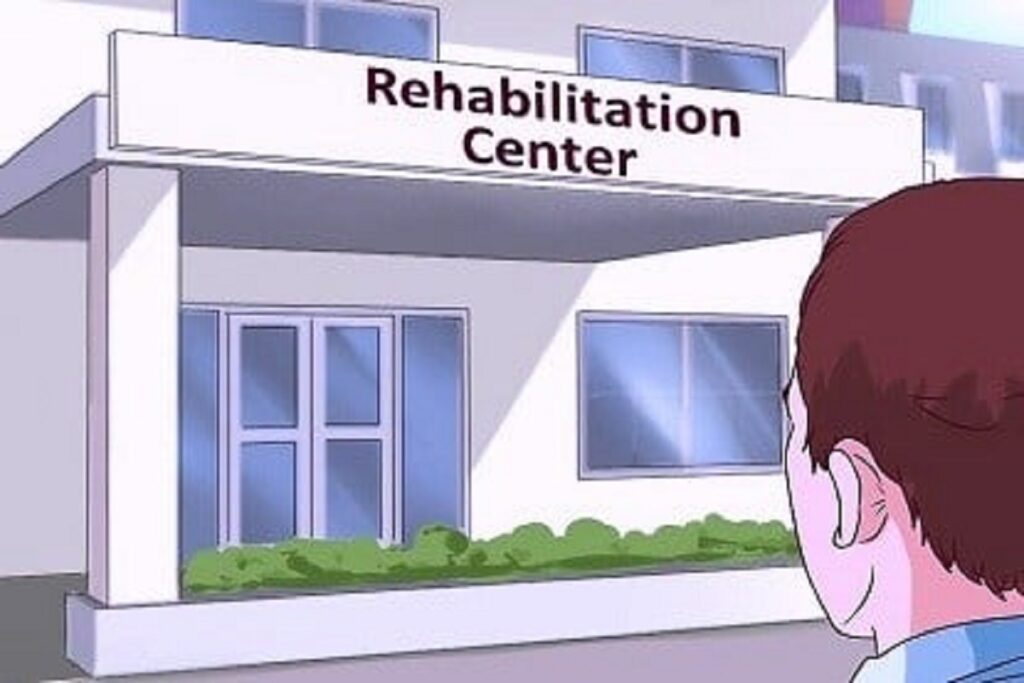
A drug rehabilitation center is a specialized healthcare facility designed to treat substance use disorders through medically approved and psychologically guided methods. These centers focus on both physical dependence and mental health recovery, ensuring that treatment addresses the root causes of addiction rather than just the symptoms.
Effective rehabilitation programs usually include medical detoxification, psychological therapy, behavioral counseling, relapse prevention planning, and social reintegration. The goal is not temporary abstinence but long-term recovery and improved quality of life.
Rehabilitation is about healing the body, retraining the mind, and rebuilding a stable lifestyle.
Rehabilitation Centers Keep Patients Isolated
One of the most common myths is that rehabilitation centers isolate patients from the outside world and place them in restrictive environments. In reality, addiction itself causes isolation—emotionally, socially, and mentally.
Rehabilitation centers work to reverse this isolation. Patients are encouraged to engage in healthy communication, group therapy, peer support sessions, and guided social activities. These interactions help individuals realize they are not alone and that recovery is possible with shared understanding and support.
Positive social engagement is a key factor in emotional healing and relapse prevention.
Rehabilitation Involves Physical or Mental Torture
Another widespread misunderstanding is that rehab centers use harsh or abusive methods. This belief usually stems from confusion about withdrawal symptoms during detoxification.
When drug use stops, the body goes through a natural adjustment process. Because substances alter brain chemistry and physical functions, withdrawal can cause discomfort. Common symptoms may include nausea, body pain, anxiety, mood swings, confusion, hallucinations, and strong cravings.
These symptoms are not caused by the rehab center. They are signs of the body recovering. Licensed rehabilitation facilities manage this phase under medical supervision to reduce risk and discomfort. In severe cases, close monitoring or temporary restrictions may be required to protect the patient from medical emergencies. These measures are safety protocols, not punishment.
Patients Are Forced into Extreme Rules
Some people believe rehabilitation centers control every aspect of a patient’s life through extreme restrictions. While structure is part of treatment, it exists to restore balance and stability.
Addiction often destroys routine, responsibility, and self-discipline. Rehab programs introduce healthy schedules that include therapy sessions, physical activity, skill development, education, and relaxation. These activities help patients rebuild confidence, self-respect, and emotional control.
Rather than forcing compliance, professional rehab centers encourage patients to actively participate in their own recovery process.
The Reality: Rehabilitation Centers Focus on Healing
The truth is that modern drug rehabilitation centers are based on medical science, psychological research, and ethical care standards. They treat addiction as a health condition, not a crime or character flaw.
Quality rehab centers typically provide:
Medically supervised detox programs
Individual and group psychotherapy
Psychological and behavioral counseling
Family support and education
Relapse prevention strategies
Aftercare and long-term recovery planning
These services work together to help individuals regain control of their lives and reduce the risk of relapse.
Why Professional Rehabilitation Is Essential
Beating addiction is not just about willpower. Without proper professional addiction treatment, the chances of relapse are high, and recovery can become very difficult. Rehabilitation centers in Pakistan, especially in cities like Lahore, provide a safe and structured environment where patients can focus fully on healing, away from triggers and stress.
These centers treat both the physical dependence and emotional causes of addiction, offering medically supervised detox, counseling, therapy, and relapse prevention programs. This approach helps patients regain stability, rebuild healthy daily habits, restore relationships, and achieve lasting recovery. Professional rehab ensures that recovery is not just temporary, but a path to a healthier, productive life.
Final Thoughts
Drug rehabilitation centers are not places of punishment—they are places of recovery, hope, and transformation. Myths and misinformation surrounding rehab often delay treatment and deepen suffering. Understanding the true role of rehabilitation can help individuals and families make informed decisions and seek help without fear or shame.
Recovery is possible with the right care, guidance, and support.
Frequently Asked Questions
1. What is the main purpose of a drug rehabilitation center?
The main purpose of a drug rehabilitation center is to help individuals recover from substance addiction through medical treatment, psychological therapy, and long-term recovery planning.
2. Are rehabilitation centers medically supervised?
Yes, licensed rehabilitation centers operate under medical supervision, especially during detox, to ensure patient safety and manage withdrawal symptoms properly.
3. Do rehab centers restrict communication with family?
Most rehab centers encourage family involvement through counseling sessions and supervised communication, as family support improves recovery outcomes.
4. Is detox dangerous without professional care?
Yes, detox can be risky without medical supervision, especially for long-term or severe addiction. Professional rehab centers reduce health risks during withdrawal.
5. Can addiction return after rehabilitation?
Relapse is possible, but rehab centers teach coping strategies, relapse prevention skills, and aftercare planning to reduce the chances of returning to substance use.
📍 45-C- OPF Society, Khayaban -e Jinnah, Near Subhan Allah Chowk, Lahore ☎ +92-300-9433446