Drug addiction affects thousands of individuals and families across Pakistan. What often begins as occasional substance use can gradually develop into dependency, affecting physical health, emotional well-being, relationships, education, and career stability. Many people struggling with addiction genuinely want to stop, yet find themselves trapped in a cycle that feels impossible to break alone.
One of the biggest misconceptions about addiction is that it is simply a matter of willpower. In reality, addiction is a complex medical condition that changes how the brain processes rewards, emotions, and decision-making. Over time, substance use affects both physical and psychological health, making professional treatment an essential part of recovery.
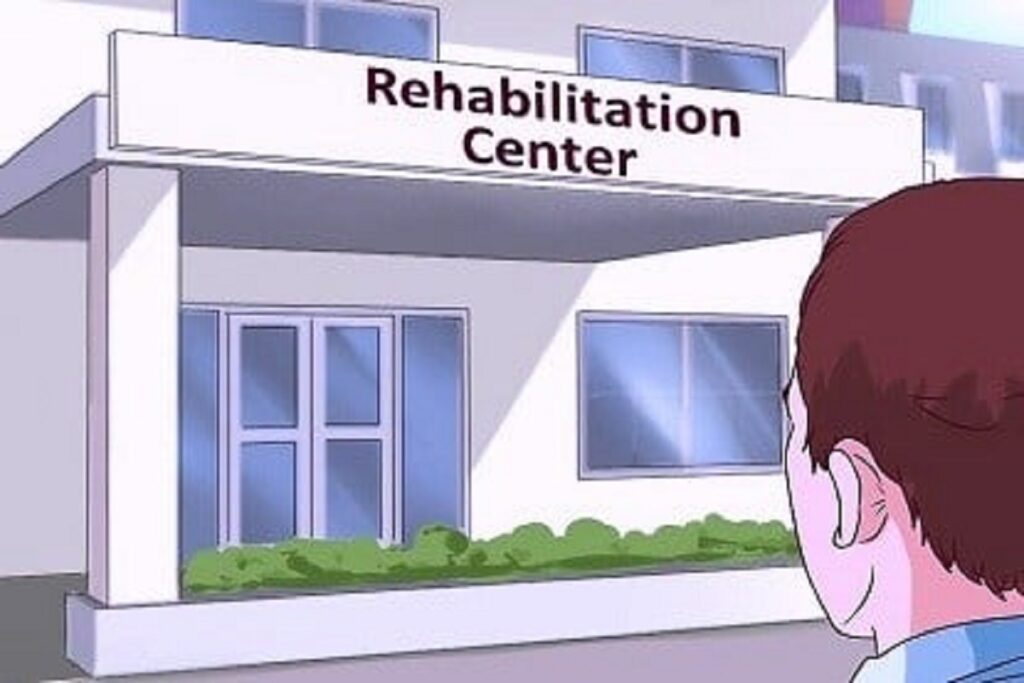
A trusted Drug Rehabilitation Center in Lahore provides structured care, medical supervision, psychological support, and long-term recovery planning. Through evidence-based treatment and compassionate care, individuals can safely overcome addiction and begin rebuilding their lives.
A drug rehabilitation center is a specialized treatment facility designed to help individuals recover from substance addiction through medical care, Counseling, therapy, and recovery support services. These programs address both the physical effects of addiction and the emotional factors that often contribute to substance use.
Professional rehabilitation focuses on much more than helping someone stop using drugs. Effective treatment helps patients understand the underlying causes of addiction, develop healthier coping skills, improve emotional resilience, and build a foundation for long-term recovery.
Most rehabilitation programs include medical detoxification, psychological Counseling, behavioral therapy, family support, relapse prevention planning, and ongoing aftercare services. Together, these elements create a comprehensive recovery approach that supports lasting change.
Many individuals and families delay seeking treatment because they hope the situation will improve on its own. Unfortunately, addiction often becomes more severe over time when professional intervention is postponed.
Common warning signs include strong cravings, increased tolerance to substances, withdrawal symptoms, secretive behavior, mood changes, declining work or academic performance, relationship conflicts, financial problems, and loss of control over substance use. Some individuals may continue using drugs despite serious consequences to their health and personal lives.
Early intervention often leads to better outcomes. Seeking help before addiction becomes deeply established can improve recovery success and reduce the risk of long-term complications.
Different substances affect the body and brain in different ways. Effective treatment begins with understanding the specific challenges associated with each type of addiction.
Professional rehabilitation programs commonly support individuals struggling with heroin addiction, crystal meth (ice) addiction, cocaine dependency, prescription medication misuse, opioid addiction, cannabis dependency, and other substance-related disorders. Each condition requires a personalized treatment approach based on the patient’s medical history, substance use patterns, and recovery goals.
Because addiction affects individuals differently, treatment plans are tailored to address both the physical dependence and emotional factors contributing to substance use.
For many patients, recovery begins with detoxification. Detox is the process of allowing the body to eliminate harmful substances while managing withdrawal symptoms safely.
Withdrawal experiences vary depending on the substance involved, the duration of use, and the individual’s overall health. Common symptoms may include anxiety, irritability, nausea, sleep disturbances, sweating, body aches, mood swings, and intense cravings. In severe cases, withdrawal may require close medical supervision to prevent complications.
A professional Drug Rehabilitation Center in Lahore provides medically supervised detox programs that prioritize patient safety and comfort. Medical professionals monitor symptoms, provide supportive care, and help patients transition safely into the next stage of treatment.
Detox alone is rarely enough to achieve lasting recovery. While detox addresses the physical effects of addiction, therapy focuses on the emotional and behavioral patterns that contribute to substance use.
Many individuals struggling with addiction also face anxiety, depression, trauma, stress, or unresolved emotional difficulties. Through psychological services in Lahore, patients can explore these challenges in a safe and supportive environment while learning healthier ways to manage difficult emotions and life situations.
Evidence-based approaches such as Cognitive Behavioral Therapy (CBT), individual Counseling, group therapy, and motivational Counseling help patients identify triggers, change harmful thought patterns, and develop practical coping strategies. These skills play a critical role in preventing relapse and supporting long-term recovery.
Addiction affects not only the individual but also the entire family. Relationships often become strained due to trust issues, emotional stress, and financial difficulties.
Professional female drug rehabilitation center involve family members in the recovery process through counseling and educational sessions. Family support plays a crucial role in helping patients stay motivated and committed to recovery.
Rehabilitation programs also prepare individuals for social reintegration, helping them return to normal life with improved coping skills and healthier relationships.
Not every individual requires the same level of care. Some people benefit from intensive residential treatment, while others may be suitable for structured outpatient programs. Choosing the right option depends on the severity of addiction, medical needs, mental health status, and personal circumstances.
Inpatient rehabilitation provides a highly structured environment where patients receive round-the-clock Support, medical supervision, therapy, and recovery-focused care. Outpatient treatment allows individuals to attend therapy sessions and Counseling while continuing certain daily responsibilities. A professional assessment helps determine which approach offers the best chance of successful recovery.
Feature | Inpatient Rehabilitation | Outpatient Rehabilitation |
Medical Supervision | 24/7 Support | Scheduled Visits |
Living Arrangement | Residential | Home-Based |
Addiction Severity | Moderate to Severe | Mild to Moderate |
Therapy Intensity | High | Moderate |
Relapse Risk | Lower During Treatment | Depends on Support System |
Addiction rarely affects only one person. It often impacts parents, spouses, children, siblings, and close friends. Trust may become damaged, communication may break down, and emotional stress can affect the entire household.
Family involvement can play a powerful role in recovery. Through counseling sessions and educational support, families learn how addiction affects behavior, how to provide healthy support, and how to rebuild stronger relationships. When loved ones understand the recovery process, patients often feel more motivated and supported throughout treatment.
The first week of rehabilitation focuses on assessment, stabilization, and treatment planning. Medical professionals evaluate the patient’s physical health, addiction history, mental health concerns, and recovery goals to develop an individualized treatment plan.
During this period, patients may begin detoxification, attend counseling sessions, meet treatment specialists, and participate in recovery-focused activities. The goal is not to overwhelm patients but to create a safe and supportive foundation for the recovery journey ahead. Building trust and understanding early in treatment often improves long-term outcomes.
One of the biggest mistakes many families make is waiting too long before seeking professional help. Addiction tends to become more severe over time, increasing both physical and emotional damage. Delaying treatment can make recovery more challenging and increase the risk of serious health complications.
Early intervention allows individuals to address addiction before it causes significant harm to relationships, employment, education, and overall well-being. Professional treatment at the right time often reduces recovery duration, improves treatment success, and helps individuals regain stability more quickly.
Recovery does not end after completing rehabilitation. Long-term success depends on maintaining healthy habits, managing triggers, and continuing personal growth after treatment. Relapse prevention is a critical part of every effective recovery program.
Patients learn how to recognize high-risk situations, manage stress, build healthy routines, and maintain supportive relationships. Ongoing Counseling, support groups, and aftercare services provide additional guidance during the transition back into everyday life. These strategies help individuals maintain sobriety and continue progressing toward long-term wellness.
Koshish Clinic supports individuals and families from across Lahore who are seeking professional addiction treatment and rehabilitation services. Patients regularly visit from DHA, Johar Town, Gulberg, Bahria Town, Model Town, Wapda Town, Cantt, and surrounding communities.
Access to local treatment makes it easier for families to participate in Counseling, maintain communication, and support recovery throughout the rehabilitation process. Local care also allows patients to transition back into their daily lives with ongoing professional Support available when needed.
Finding the right rehabilitation center can have a significant impact on recovery outcomes. At Koshish Clinic, treatment focuses on addressing both the physical and emotional aspects of addiction through personalized care and evidence-based treatment methods.
Patients receive medical detox support, addiction counseling, behavioral therapy, psychiatric care, family counseling, and relapse prevention planning in a confidential and supportive environment. Our team works closely with each individual to create a treatment plan that reflects their unique needs and recovery goals.
|
Treatment Service |
Available at Koshish Clinic |
|
Medical Detoxification |
✓ |
|
Psychiatric Support |
✓ |
|
Individual Counseling |
✓ |
|
Behavioral Therapy |
✓ |
|
Family Counseling |
✓ |
|
Relapse Prevention Planning |
✓ |
|
Aftercare Support |
✓ |
A person may need professional treatment if they experience strong cravings, withdrawal symptoms, loss of control over substance use, relationship problems, declining performance at work or school, or repeated unsuccessful attempts to quit.
Detoxification is the process of removing harmful substances from the body while managing withdrawal symptoms safely under medical supervision. The experience varies depending on the substance used and the individual’s health condition.
Yes. Many individuals struggling with addiction also experience anxiety, depression, trauma, or other emotional challenges. Dual diagnosis treatment addresses both conditions simultaneously to improve recovery outcomes and reduce relapse risks.
Treatment duration depends on addiction severity, medical needs, and recovery progress. Some individuals benefit from short-term programs, while others require ongoing treatment and aftercare support.
Yes. Family support often improves treatment outcomes by encouraging accountability, improving communication, and creating a healthier environment for long-term recovery.
Aftercare services may include continued Counseling, support groups, relapse prevention planning, and regular follow-up appointments to help individuals maintain sobriety and continue progressing in recovery.
Drug addiction can affect every part of a person’s life, from physical health and emotional well-being to relationships and future opportunities. Without professional treatment, substance dependence often becomes more difficult to manage and may lead to serious long-term consequences.
At Koshish Clinic, our Drug Rehabilitation Center in Lahore provides comprehensive addiction treatment through medical detoxification, Counseling, behavioral therapy, psychiatric Support, and long-term recovery planning. We believe recovery is not simply about stopping drug use. It is about helping individuals rebuild confidence, restore relationships, improve mental well-being, and create a healthier future.
With the right support, professional care, and commitment to recovery, lasting change is possible. Taking the first step today can be the beginning of a safer, healthier, and addiction-free life.
We are committed to guiding people on their journey to recovery with professional care, compassion, and proven treatment programs.
Copyright © 2025 Zuriel Digital Sol. All Rights Reserved.
WhatsApp us