
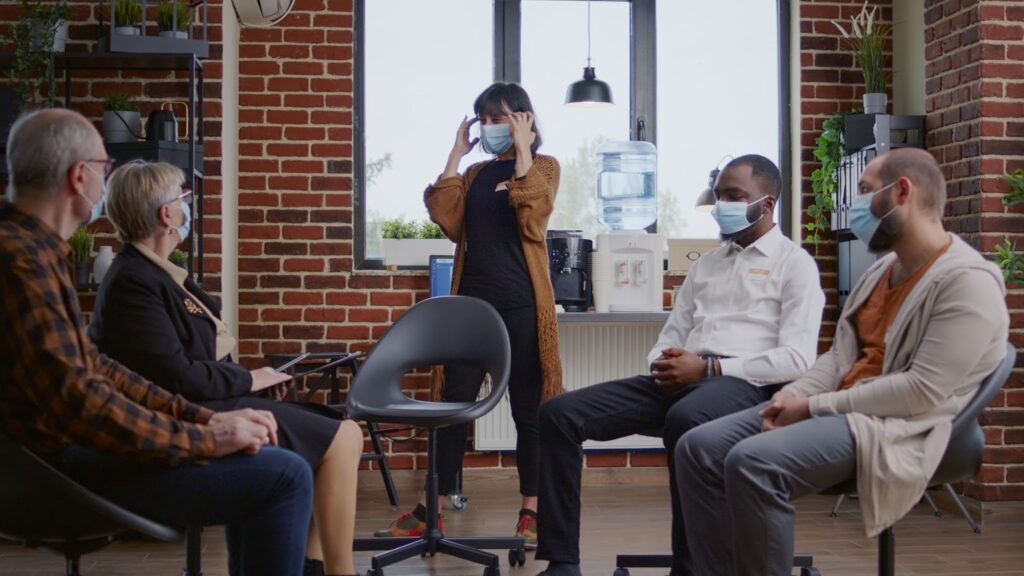
Choosing the right drug rehab center in Lahore can have a significant impact on recovery success. Addiction affects far more than physical health. It can damage relationships, reduce productivity, affect emotional well-being, and make everyday responsibilities difficult to manage. Professional rehabilitation provides the structure, guidance, and support needed to break this cycle and begin moving toward a healthier future.
Many individuals delay treatment because they feel uncertain about what happens inside a rehab center. Others worry about privacy, treatment quality, or being judged. At Koshish Clinic, we understand these concerns and provide confidential, evidence-based care in a supportive environment where recovery remains the primary focus.
Our rehabilitation programs are designed to help individuals safely begin treatment, receive professional support, and develop the skills needed for long-term stability and recovery.
Not all rehabilitation programs offer the same level of care. Professional treatment centers focus on creating a structured recovery environment where patients receive medical supervision, therapeutic support, and individualized treatment planning.
A quality rehab center does more than help someone stop using substances. It provides the tools needed to address emotional challenges, manage triggers, strengthen coping skills, and build healthier habits that support long-term recovery.
Professional medical supervision helps ensure patient safety throughout treatment. Healthcare professionals monitor progress, manage complications when necessary, and provide support during difficult stages of recovery. This level of care significantly improves treatment outcomes and helps patients feel more secure during the process.
Every recovery journey is unique. Some individuals may require intensive treatment, while others benefit from structured outpatient support. Personalized treatment plans allow rehabilitation specialists to tailor care according to each person’s history, symptoms, and recovery goals.
Privacy remains one of the most important concerns for individuals seeking addiction treatment. Professional rehabilitation programs maintain strict confidentiality standards while providing respectful, non-judgmental support. Patients are encouraged to focus on recovery without fear of stigma or criticism.
For individuals who require supervised withdrawal support, medical detoxification services provide a safe starting point. Medical professionals monitor symptoms, provide supportive care, and help patients transition into ongoing treatment programs. The goal is to improve safety and comfort while preparing individuals for the next stage of recovery.
Residential rehabilitation provides a structured environment where patients can focus entirely on treatment. Daily schedules typically include therapy sessions, counseling, educational activities, recovery planning, and wellness-focused support. This level of care is often recommended for individuals who require intensive treatment and close supervision.
Some individuals benefit from receiving treatment while continuing selected daily responsibilities. Outpatient programs provide counseling, therapy, and professional support through scheduled appointments while allowing patients to remain connected to family and work commitments.
Many people struggling with substance use also experience emotional or mental challenges. Conditions such as anxiety, depression, trauma, or chronic stress can affect recovery if left untreated. Dual diagnosis treatment addresses both addiction and mental health concerns simultaneously, creating a more comprehensive and effective treatment approach.
Different substances affect individuals in different ways. Effective treatment begins with understanding the specific challenges associated with each condition.
Heroin addiction often causes both physical dependence and intense psychological cravings. Structured treatment programs help individuals begin recovery safely while addressing the underlying factors that contribute to continued substance use.
Crystal meth addiction can significantly affect emotional stability, decision-making, and mental health. Professional treatment focuses on recovery support, behavioral therapy, and long-term relapse prevention planning.
Misuse of prescription medications may develop gradually and often goes unnoticed until dependency becomes severe. Professional rehabilitation helps individuals safely address dependency while developing healthier coping strategies.
Although often underestimated, long-term cannabis dependency can affect motivation, emotional well-being, and daily functioning. Structured treatment programs help individuals regain control and improve overall quality of life.
Some individuals struggle with multiple substances at the same time. Comprehensive treatment programs address the unique challenges associated with alcohol dependency and polysubstance use through personalized recovery planning and professional support.
For many individuals, the first few days of treatment can feel uncertain. Understanding what happens during this period often helps reduce anxiety and makes the transition into recovery easier.
Treatment begins with a comprehensive assessment. Medical professionals review physical health, substance use history, mental health concerns, and recovery goals. This information helps the clinical team develop a personalized treatment plan that reflects the individual’s specific needs.
Patients are introduced to the treatment environment, rehabilitation staff, and daily program structure. Establishing trust and comfort during this stage is important because it creates a positive foundation for recovery.
The second day focuses on stabilization and professional support. Depending on the patient’s condition, medical monitoring, counseling sessions, and wellness-focused activities may begin. Patients also receive guidance about treatment expectations and recovery planning.
This stage helps individuals adjust to the rehabilitation environment while building confidence in the treatment process.
By the third day, most patients begin participating in structured treatment activities. Therapy sessions, educational programs, and recovery-focused discussions help patients better understand their challenges while developing healthier coping strategies.
Recovery planning begins early because successful treatment involves preparing for long-term progress rather than focusing only on short-term improvements.
Substance use and mental health challenges often occur together. Anxiety, depression, trauma, emotional stress, and unresolved personal difficulties can make recovery more complicated when left untreated.
Professional rehabilitation programs include emotional and psychological support to help individuals address these concerns while working toward recovery goals. Through psychological services, patients can develop healthier coping skills, improve emotional resilience, and gain a better understanding of the factors influencing their behavior.
Mental wellness plays a vital role in maintaining recovery. When emotional challenges are addressed alongside addiction treatment, individuals often experience stronger and more sustainable outcomes.
Relapse does not mean treatment has failed. Recovery is a long-term process, and setbacks can occur when individuals face challenges without adequate support or coping strategies.
Common relapse triggers include stress, unresolved emotional difficulties, negative social influences, relationship conflicts, boredom, and exposure to environments associated with previous substance use. Without proper preparation, these situations can increase the risk of returning to unhealthy behaviors.
At Koshish Clinic, relapse prevention planning is integrated into treatment from the beginning. Patients learn how to identify triggers, manage cravings, create healthier routines, and build support systems that strengthen long-term recovery.
Family involvement can significantly improve recovery outcomes. Addiction often affects communication, trust, and emotional stability within families. When loved ones understand the recovery process, they are better equipped to provide meaningful support.
Family counseling sessions help address misunderstandings, improve communication, and rebuild healthy relationships. These sessions also provide education about addiction, recovery expectations, and strategies that encourage positive long-term outcomes.
Strong family support can become one of the most valuable resources available during and after treatment.
Families often want to help, but without proper guidance, certain actions may unintentionally make recovery more difficult.
One common mistake is expecting immediate change. Recovery takes time, and progress often occurs gradually. Another challenge is removing all accountability too quickly. Healthy boundaries remain important even when supporting a loved one.
Some families stop encouraging treatment once visible improvement occurs. Continued counseling, therapy, and aftercare support often remain essential for maintaining long-term progress. Understanding these challenges helps families provide support more healthily and effectively.
Completing a rehabilitation program is an important achievement, but recovery continues beyond formal treatment. Long-term success often depends on ongoing support, healthy habits, and consistent recovery planning.
Aftercare services may include counseling sessions, recovery coaching, follow-up appointments, support groups, and continued therapeutic guidance. These services help individuals maintain progress while adapting to everyday responsibilities and challenges.
Structured aftercare significantly reduces relapse risks and supports lasting recovery outcomes.
Koshish Clinic provides professional rehabilitation services to individuals and families throughout Lahore. Patients regularly visit us from DHA, Johar Town, Gulberg, Bahria Town, Model Town, Wapda Town, Cantt, and surrounding communities.
Access to local treatment makes it easier for families to remain involved throughout the recovery process. Ongoing support, follow-up care, and counseling services are also more accessible when treatment is available close to home.
Selecting the right rehabilitation center is one of the most important decisions in the recovery journey. At Koshish Clinic, we combine professional expertise, compassionate care, and evidence-based treatment methods to support lasting recovery.
Our programs are designed to address both physical and emotional challenges while helping patients build the skills needed for a healthier future. Every treatment plan is tailored to individual needs, ensuring that each patient receives appropriate care and support.
Treatment duration depends on the individual’s condition, recovery goals, and progress. Some patients benefit from shorter programs, while others require extended treatment and aftercare support.
Yes. Confidentiality is maintained throughout the treatment process to protect patient privacy and encourage a safe recovery environment.
Yes. Dual diagnosis programs address both addiction and mental health concerns simultaneously, improving overall treatment outcomes.
Patients may continue receiving aftercare support, counseling, relapse prevention guidance, and follow-up services to help maintain recovery.
Drug rehab centers provide medical detox, counseling, therapy, psychiatric support, family counseling, relapse prevention planning, and aftercare services.
If substance use is affecting health, relationships, work, education, or daily functioning, professional treatment may help improve recovery outcomes.
Outpatient treatment can be highly effective for individuals with mild to moderate conditions and strong support systems.
Yes. Family counseling and educational sessions often play an important role in supporting long-term recovery.
Koshish Clinic combines medical expertise, personalized treatment planning, confidential care, and ongoing recovery support to help patients achieve lasting positive change.
Finding the right drug rehab center in Lahore is about more than choosing a treatment facility. It is about finding a professional team that understands recovery, provides compassionate care, and supports long-term success.
At Koshish Clinic, we focus on helping individuals regain control of their lives through personalized treatment, professional guidance, and evidence-based recovery programs. Recovery may not happen overnight, but with the right support, lasting change is possible.
Taking the first step toward treatment today can be the beginning of a healthier, safer, and more hopeful future.
We are committed to guiding people on their journey to recovery with professional care, compassion, and proven treatment programs.
Copyright © 2025 Zuriel Digital Sol. All Rights Reserved.
WhatsApp us