
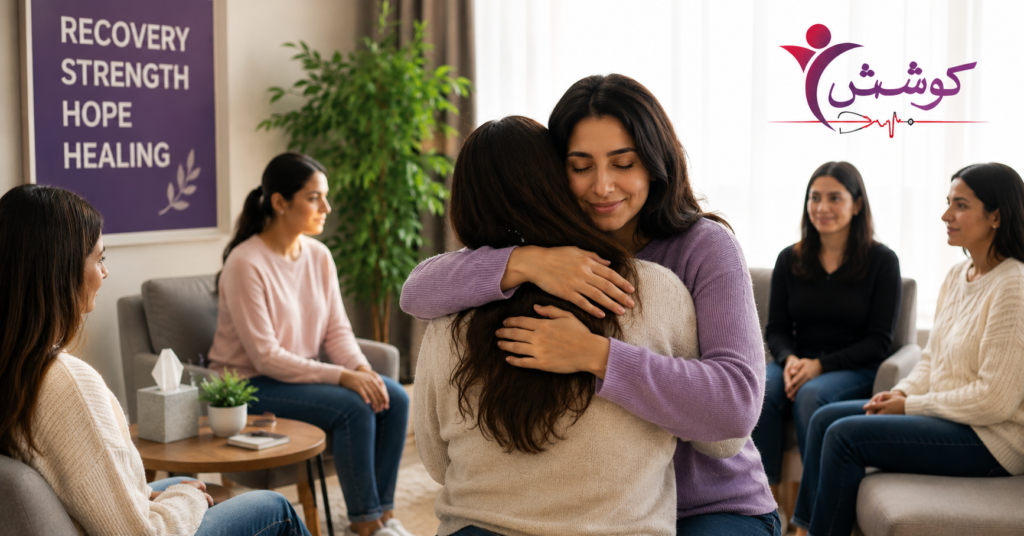
Addiction rarely follows the same path for every person. Women often experience substance use disorders differently because of biological, emotional, and social factors that shape their daily lives. While addiction can affect anyone, many women face unique challenges that make recovery more complicated. This is one reason why specialized drug rehabilitation treatment for women has become an important part of modern addiction care.
Across the world, the demand for women’s addiction treatment continues to increase. Many women struggle with addiction while also managing family responsibilities, emotional stress, careers, and relationships. Unfortunately, fear of judgment or concern about loved ones often prevents them from seeking help. Understanding why women need specialized treatment can help families make informed decisions and encourage earlier intervention. This article explores how women’s rehabilitation programs address challenges that traditional treatment programs may overlook.
Addiction affects women in ways that are often different from men. Research suggests that women can develop dependence more quickly, even after a shorter period of substance use. This faster progression increases the risk of physical health problems, emotional distress, and long-term addiction-related complications. Effective addiction treatment for women recognizes these differences and provides support tailored to women’s specific needs.
Women are also more likely to experience addiction alongside emotional challenges. Many individuals struggling with women’s substance abuse report a history of stress, anxiety, trauma, or depression. Because addiction often develops alongside these concerns, successful treatment must focus on both recovery and emotional healing.
Biology plays an important role in addiction. Hormonal fluctuations, body composition, and metabolism influence how substances affect women. In some cases, women may experience stronger physical consequences from substance use even when consuming smaller amounts. These differences highlight the importance of gender-specific treatment and personalized recovery plans.
Many women hesitate to enter treatment because they worry about children, family obligations, or social judgment. Some fear losing relationships or being viewed negatively by others. Unfortunately, delaying treatment often allows addiction to become more severe and difficult to manage. Early intervention improves recovery outcomes and helps individuals regain control before addiction creates lasting damage.
Recovery involves more than ending substance use. Women frequently encounter challenges that can influence treatment participation and long-term success. Recognizing these barriers helps explain why women’s recovery programs often achieve better outcomes than general rehabilitation approaches.
Specialized programs understand that women may carry emotional burdens, family responsibilities, and social pressures throughout recovery. Addressing these concerns directly creates a stronger foundation for lasting change.
Social stigma remains one of the biggest barriers to treatment. Women with addiction often face harsher criticism than men. Many feel ashamed to seek help because they fear being labeled irresponsible or unfit. This judgment can create isolation and delay recovery. Specialized rehabilitation programs create safe environments where women feel supported instead of criticized.
Many women serve as caregivers for children, spouses, or elderly family members. These responsibilities can make treatment feel impossible. Some women avoid rehabilitation because they worry about who will care for their loved ones during recovery. Effective women’s rehabilitation programs recognize these concerns and help women balance treatment with family responsibilities whenever possible.
Relationships often play a major role in addiction recovery. Some women remain in unhealthy environments that contribute to substance use because of emotional dependence or financial challenges. Others struggle with stress caused by unstable relationships, job insecurity, or personal responsibilities. Addressing these pressures helps create healthier recovery outcomes and reduces the likelihood of relapse.
Trauma is one of the most important factors influencing female addiction recovery. Studies consistently show that women entering addiction treatment report higher rates of trauma than men. Experiences such as abuse, neglect, domestic violence, and emotional trauma often contribute to substance use. In many cases, substances become a way to numb emotional pain rather than address it.
Because trauma plays such a significant role, modern rehabilitation programs increasingly emphasize trauma-informed care. This approach helps individuals understand how past experiences affect present behaviors while creating a safe environment for healing. Recovery becomes more sustainable when emotional wounds receive the same attention as addiction itself.
Adverse childhood experiences can have a lasting impact on mental health and addiction risk. Women who experienced neglect, emotional abuse, or unstable family environments often carry unresolved emotional pain into adulthood. Specialized treatment helps individuals process these experiences while developing healthier coping strategies.
Many women seeking treatment also struggle with anxiety, depression, or PTSD. These conditions frequently occur alongside addiction and can make recovery more difficult. Symptoms such as persistent worry, emotional numbness, sleep disturbances, and low self-esteem often increase relapse risk if left untreated. Comprehensive treatment programs address both addiction and mental health simultaneously.
Traditional treatment approaches may focus only on substance use. However, trauma-informed care recognizes that addiction often develops in response to painful experiences. By creating a safe and supportive environment, treatment providers help women explore underlying issues without fear of judgment. This approach improves emotional healing, strengthens recovery outcomes, and reduces the risk of future substance use.
Recovery becomes more effective when treatment addresses the realities women face every day. Traditional rehabilitation programs often focus on addiction itself while overlooking emotional health, trauma history, family responsibilities, and social pressures. Specialized programs take a different approach. They recognize that women often require targeted support to overcome challenges that can influence both treatment participation and long-term recovery success.
Many experts agree that women specialized drug rehabilitation treatment for creates better opportunities for healing because it addresses addiction from multiple angles. Instead of treating substance use as an isolated problem, these programs focus on emotional well-being, mental health, relationships, and personal growth. This comprehensive approach often leads to stronger recovery outcomes and greater confidence throughout the rehabilitation journey.
Feeling safe is essential during recovery. Many women enter treatment carrying emotional wounds caused by trauma, unhealthy relationships, or past experiences. A women-focused environment reduces distractions and creates a space where individuals can openly discuss challenges without fear of judgment. This sense of safety encourages honest communication and deeper emotional healing.
Effective women’s addiction treatment often includes counseling approaches designed around women’s experiences. Therapists help individuals address emotional triggers, relationship issues, trauma, self-esteem concerns, and stress management challenges. Because these sessions focus on issues commonly faced by women, treatment often feels more relevant and meaningful.
Support groups allow women to connect with others who understand their experiences. Shared conversations help reduce isolation and build a sense of community. Many participants find strength in hearing recovery stories from women facing similar challenges. These connections often become valuable sources of encouragement during treatment and beyond.
One of the biggest advantages of women’s rehabilitation centers is their ability to provide personalized care. Every individual’s recovery journey is different. Specialized programs recognize this reality and create treatment plans based on personal circumstances, addiction history, mental health needs, and recovery goals.
Beyond addressing substance use, these programs focus on rebuilding emotional stability, confidence, and healthy coping skills. As a result, many women experience improvements in multiple areas of life rather than simply achieving sobriety.
Specialized Treatment Benefit | Recovery Impact |
Trauma-Informed Care | Addresses emotional wounds |
Individualized Treatment | Personalized recovery support |
Women-Focused Therapy | Better emotional understanding |
Support Groups | Stronger recovery community |
Relapse Prevention | Improved long-term sobriety |
No two women experience addiction in the same way. Some may struggle primarily with trauma, while others face mental health challenges, family stress, or relationship difficulties. Individualized treatment plans allow healthcare professionals to tailor support according to each person’s unique needs.
Addiction often develops alongside emotional pain. Specialized treatment helps women explore these challenges while learning healthier ways to cope with stress, anxiety, and difficult emotions. This process supports long-term healing rather than short-term symptom management.
Research consistently suggests that gender-specific treatment improves treatment engagement and recovery success. Women who feel understood and supported are often more likely to complete treatment and continue participating in recovery programs after rehabilitation ends.
Relapse prevention remains a critical part of recovery. Specialized programs teach practical coping skills, emotional regulation techniques, and healthy lifestyle habits that help women manage challenges without returning to substance use. These strategies significantly reduce the likelihood of future relapse.
For many women, motherhood adds another layer of complexity to addiction treatment. Mothers often delay seeking help because they worry about their children, household responsibilities, or family stability. Unfortunately, postponing treatment can increase the risk of addiction-related harm for both mothers and their families.
Specialized rehabilitation programs understand these concerns and work to create supportive solutions. By addressing parenting challenges directly, treatment providers help women focus on recovery without feeling disconnected from their families.
One of the most common barriers to treatment is concern about childcare. Many mothers worry about who will care for their children while they participate in rehabilitation. Some women avoid seeking help entirely because they feel responsible for meeting family needs. Effective programs acknowledge these concerns and provide guidance that helps families navigate treatment more comfortably.
Recovery often requires significant lifestyle changes. Mothers may need to rebuild routines, improve communication, and develop healthier coping strategies while maintaining parental responsibilities. Counseling and family support services can help women manage these transitions more successfully.
Addiction can strain family relationships and damage trust. Recovery provides an opportunity to rebuild these connections through honesty, accountability, and positive behavioral change. Many women’s recovery programs include family counseling sessions that support healthier communication and stronger relationships over time.
“Recovery is not only about overcoming addiction. It is also about rebuilding a healthier life for yourself and the people who matter most.”
A woman who struggled with substance use for several years may initially enter treatment feeling overwhelmed by guilt and family concerns. Through specialized rehabilitation, counseling, and family support services, she can gradually restore trust, strengthen relationships, and create a more stable future. This holistic approach explains why addiction treatment for women often produces benefits that extend far beyond sobriety itself.
Recovery does not end when rehabilitation is completed. One of the biggest challenges individuals face after treatment is maintaining long-term sobriety. Women often encounter unique emotional, social, and environmental triggers that can increase the risk of returning to substance use. This is why effective women’s addiction recovery programs place a strong emphasis on relapse prevention.
Specialized rehabilitation programs help women identify high-risk situations before they become serious problems. Through counseling, education, and ongoing support, individuals learn practical techniques for managing stress, emotions, and life challenges without relying on substances. These skills become essential tools for maintaining lasting recovery.
Women often experience relapse triggers that differ from those commonly seen in men. Relationship conflicts, caregiving stress, financial worries, loneliness, and unresolved emotional pain can all increase vulnerability. Understanding these triggers allows women to recognize warning signs early and take proactive steps to protect their recovery.
Recovery involves replacing harmful coping mechanisms with healthier alternatives. Activities such as exercise, therapy, mindfulness, journaling, and participation in women’s support groups can reduce stress and improve emotional well-being. Over time, these habits strengthen resilience and support sustainable recovery.
Successful recovery requires preparation. Long-term recovery planning includes setting realistic goals, building supportive relationships, attending counseling sessions, and maintaining healthy daily routines. Women who continue engaging with recovery resources often experience stronger and more stable outcomes.
Selecting the right treatment center can have a significant impact on recovery success. Not all rehabilitation programs provide the same level of support or address the unique needs of women. Understanding what to look for helps individuals and families make informed decisions.
A quality female rehabilitation center should offer comprehensive services that address addiction, mental health, trauma, family dynamics, and relapse prevention. The goal is not only to achieve sobriety but also to build a healthier future.
Effective women rehab programs typically provide individualized treatment plans, trauma-informed care, counseling services, mental health support, and recovery planning. Programs that focus on emotional healing as well as addiction recovery often produce stronger results.
Before choosing a rehabilitation center, families should ask about treatment approaches, counseling services, staff qualifications, relapse prevention strategies, and aftercare support. Understanding these factors helps ensure the program aligns with the individual’s needs.
Experienced addiction professionals play a crucial role in recovery. Qualified counselors, therapists, psychologists, and healthcare providers help individuals navigate challenges while providing evidence-based treatment. Their expertise contributes significantly to successful recovery outcomes.
Women often face unique biological, emotional, and social challenges that influence addiction and recovery. Specialized treatment programs address these factors through targeted counseling, mental health support, trauma-informed care, and women-focused recovery services.
Many women feel more comfortable discussing personal experiences in women-only environments. These programs often provide stronger emotional support and address issues that may not receive enough attention in general rehabilitation settings.
Yes. Many treatment programs understand the challenges mothers face and provide support that helps women balance recovery with family responsibilities.
Trauma can increase the risk of addiction and make recovery more challenging. Unresolved emotional pain may contribute to substance use and relapse. Trauma-informed treatment helps individuals address these underlying issues while supporting recovery.
Look for programs that offer trauma-informed care, individualized treatment plans, mental health services, qualified professionals, relapse prevention support, and ongoing recovery resources.
Addiction affects women differently, which is why specialized treatment is so important. Factors such as trauma, anxiety, depression, family responsibilities, and social pressures can influence both addiction and recovery. Traditional treatment approaches may not always address these challenges effectively. Specialized programs provide the targeted support women need to heal emotionally, physically, and psychologically.
Recovery is possible with the right support system. Through gender-specific treatment, women’s recovery programs, counseling, and long-term recovery planning, women can overcome addiction and build healthier futures. Seeking professional help early improves recovery outcomes and creates new opportunities for personal growth, stronger relationships, and lasting well-being.
We are committed to guiding people on their journey to recovery with professional care, compassion, and proven treatment programs.
Copyright © 2025 Zuriel Digital Sol. All Rights Reserved.
WhatsApp us