
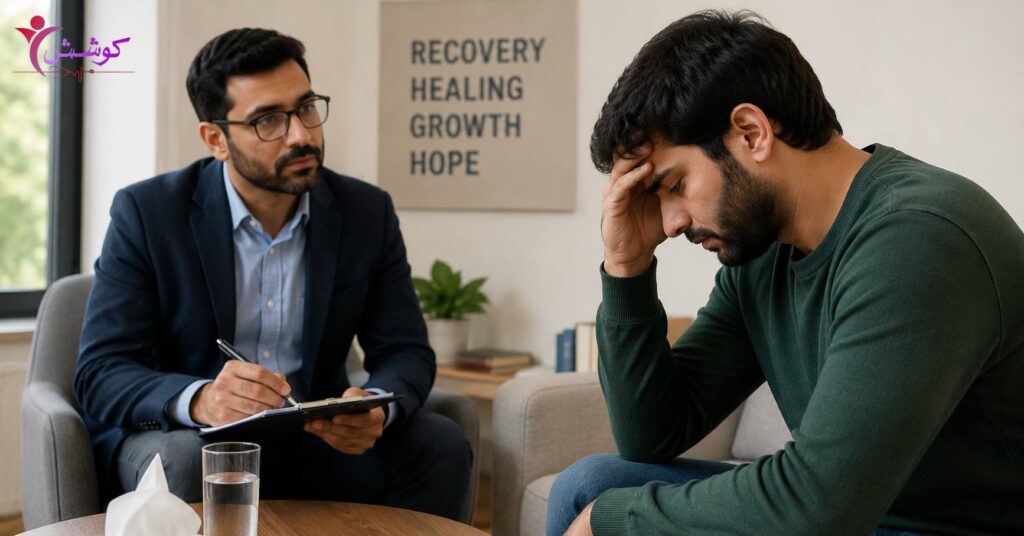
Alcohol addiction rarely develops overnight. It often begins with occasional drinking and gradually becomes a habit that affects physical health, emotional well-being, relationships, and daily responsibilities. As alcohol use increases, many individuals struggle to control their drinking despite experiencing negative consequences. This is where Alcohol Addiction Treatment in Lahore plays a vital role. Counselling helps individuals understand the root causes of alcohol dependence, develop healthier coping mechanisms, and build a strong foundation for lasting recovery.
For people seeking Alcohol Addiction Counselling in Lahore, professional support can make a significant difference. Recovery is not simply about stopping alcohol consumption. It involves addressing emotional triggers, managing cravings, improving mental health, and creating a realistic recovery plan whether someone is experiencing Alcohol Use Disorder (AUD) or supporting a loved one through addiction. Understanding how counselling works is often the first step toward positive change.
Alcohol Addiction Counselling is a structured therapeutic process designed to help individuals overcome alcohol dependence and maintain long-term sobriety. Unlike detox programs that focus on physical withdrawal, counselling addresses the emotional, behavioral, and psychological factors that contribute to alcohol misuse. Through regular sessions, individuals learn how to recognize harmful patterns, develop healthier habits, and improve decision-making skills.
Professional Alcohol Counselling also helps individuals understand how Alcohol affects relationships, mental health, and daily functioning. Many people discover that addiction is closely connected to stress, unresolved trauma, anxiety, or depression. By addressing these underlying issues, counselling supports sustainable recovery rather than temporary abstinence.
Individuals who drink heavily on a daily basis or have previously experienced severe alcohol withdrawal symptoms should undergo a professional medical evaluation before beginning counselling. Early assessment helps identify potential health risks and ensures a safer and more effective recovery process.
Alcohol Use Disorder (AUD) is a medical condition characterized by an inability to control alcohol consumption despite harmful consequences. Individuals with AUD may continue drinking even when it affects their health, family life, work performance, or financial stability. The condition can range from mild to severe, making early intervention especially important.
Recovery becomes more achievable when individuals receive guidance from trained professionals. Addiction Counselling helps identify personal triggers, improve emotional regulation, and strengthen coping skills. Over time, counselling supports healthier choices and reduces the likelihood of relapse.
Recognizing the signs of alcoholism addiction is not always easy. Many people minimize their drinking habits or believe they can stop whenever they choose. However, certain warning signs suggest that professional Counselling for Alcohol Addiction may be beneficial. Identifying these signs early often leads to better treatment outcomes.
Alcohol dependence affects more than physical health. It can influence mood, behavior, relationships, and overall quality of life. Seeking support before addiction becomes severe may prevent long-term complications and improve recovery success.
Common physical signs include increased alcohol tolerance, withdrawal symptoms, sleep disturbances, fatigue, frequent headaches, and changes in appetite. Some individuals experience shaking, sweating, or irritability when they attempt to reduce alcohol consumption.
Alcohol addiction often causes mood swings, anxiety, depression, irritability, and difficulty managing stress. Individuals may become secretive about drinking or lose interest in activities they once enjoyed.
As alcohol use progresses, personal relationships often suffer. Conflicts become more common, work performance may decline, and trust can be damaged. These challenges frequently motivate individuals to seek Alcohol Recovery Counselling.
One reason many people hesitate to seek help is uncertainty about the counselling process. Understanding what happens during treatment can reduce anxiety and encourage participation. Effective Alcohol Addiction Counselling follows a structured approach tailored to each person’s needs and recovery goals.
The counselling process focuses on identifying challenges, developing solutions, and building practical skills that support long-term sobriety. Rather than offering generic advice, counsellors create individualized recovery plans designed to address each person’s unique circumstances.
Treatment often begins with a detailed assessment. Counsellors explore drinking history, mental health concerns, family dynamics, and recovery objectives. This information helps establish realistic and achievable goals.
Every recovery journey is different. Some individuals require intensive support, while others benefit from less frequent sessions. Personalized planning ensures treatment remains relevant and effective throughout recovery.
Recovery is rarely a straight path. Regular counselling sessions provide accountability, encouragement, and opportunities to address new challenges. Progress tracking helps individuals recognize achievements and maintain motivation.
Modern addiction treatment offers several counselling approaches. Each method addresses different aspects of recovery while helping individuals build confidence and resilience. Combining multiple approaches often produces the best results.
Professional treatment providers frequently recommend a blend of therapies based on individual needs, addiction severity, and personal preferences. This flexibility allows treatment to remain effective as recovery progresses.
Individual Counselling provides one-on-one support with a trained addiction therapist. These sessions focus on personal challenges, emotional triggers, recovery goals, and relapse prevention strategies.
Group Therapy allows individuals to connect with others who share similar experiences. Participants gain encouragement, accountability, and practical insights from peers who understand the recovery journey.
Addiction affects entire families. Family Therapy helps improve communication, rebuild trust, and create healthier relationships that support recovery rather than unintentionally enabling addictive behaviors.
Technology has expanded access to care through Online Addiction Counselling. Virtual sessions provide confidential support for individuals who prefer remote treatment or face transportation and scheduling challenges.
Effective recovery programs rely on proven therapeutic approaches rather than guesswork. Evidence-based therapies have been extensively studied and shown to improve recovery outcomes. These methods help individuals understand addiction, change harmful behaviors, and strengthen coping abilities.
Professional counsellors often combine multiple therapeutic techniques to address different aspects of addiction. This integrated approach creates a more comprehensive recovery experience.
Cognitive Behavioral Therapy (CBT) helps individuals identify negative thought patterns that contribute to drinking. By replacing unhealthy thinking with more constructive perspectives, people develop stronger coping skills and healthier behaviors.
Motivational Interviewing focuses on strengthening internal motivation for change. Rather than forcing decisions, counselors help individuals explore personal reasons for recovery and build confidence in their ability to succeed.
Relapse Prevention strategies teach individuals how to recognize warning signs, manage cravings, and navigate high-risk situations. Learning these skills significantly improves long-term recovery outcomes.
The benefits of Alcohol Addiction Counselling extend far beyond stopping alcohol use. Effective counselling helps individuals improve emotional well-being, strengthen relationships, rebuild confidence, and create a healthier lifestyle. These improvements often continue long after formal treatment ends.
Research consistently shows that individuals who participate in Addiction Recovery Counselling are more likely to maintain sobriety than those who attempt recovery alone. Professional support provides practical tools that make long-term recovery more achievable.
Cravings are a normal part of recovery. Counselling teaches strategies for managing urges without returning to alcohol. Over time, these skills become powerful tools for maintaining sobriety.
Many people drink in response to stress, loneliness, anxiety, or unresolved emotional pain. Counselling helps identify these triggers and develop healthier responses that support recovery.
Recovery requires new ways of handling life’s challenges. Counsellors teach practical coping techniques that reduce reliance on alcohol and promote emotional stability.
Many individuals experience improved emotional well-being as recovery progresses. Counselling can reduce symptoms of anxiety, depression, and stress while strengthening resilience and self-confidence.
Behind many cases of alcohol addiction lies an emotional struggle that often goes unnoticed. While some individuals begin drinking socially, others turn to alcohol as a way to cope with stress, anxiety, trauma, grief, or depression. Over time, alcohol may seem like a temporary escape. However, it often worsens underlying mental health challenges instead of solving them. This connection explains why effective Alcohol Addiction Counselling focuses on both addiction recovery and emotional well-being.
Research shows that individuals experiencing mental health difficulties are more likely to develop substance use problems. Likewise, long-term alcohol misuse can increase the risk of emotional instability. Addressing both concerns together creates a stronger foundation for recovery and significantly reduces the risk of relapse.
Many people use alcohol to calm nervous thoughts or reduce social anxiety. While alcohol may provide temporary relief, repeated use can alter brain chemistry and increase anxiety over time. As alcohol leaves the body, individuals often experience heightened worry, restlessness, and emotional discomfort. Professional Alcohol Recovery Counselling helps individuals develop healthier ways to manage anxiety without relying on Alcohol.
Depression and Alcohol Dependence frequently occur together. Alcohol can temporarily numb painful emotions, but long-term drinking often deepens feelings of sadness, hopelessness, and isolation. Counselling helps individuals understand this cycle and develop positive strategies for improving emotional health while supporting recovery.
Past trauma can significantly influence drinking behaviors. Some individuals use alcohol to avoid painful memories or emotional distress linked to difficult life experiences. Through Addiction Counselling, individuals can safely explore these challenges and learn healthier coping mechanisms that support long-term healing.
For many people, the first counselling appointment feels intimidating. Questions about confidentiality, judgment, and treatment expectations often create uncertainty. Understanding what happens during the initial session can make the process feel more approachable and less stressful.
The first session focuses on building trust rather than solving every problem immediately. Counsellors create a supportive environment where individuals can openly discuss concerns, goals, and challenges without fear of criticism.
During the first session, counselors typically ask about drinking habits, previous treatment experiences, mental health concerns, family history, and recovery goals. These conversations help create a clearer understanding of each person’s unique situation.
Confidentiality is a cornerstone of professional Alcohol Counselling. Individuals can discuss sensitive issues knowing their privacy is respected within professional and legal guidelines. This sense of safety encourages honest communication and strengthens the therapeutic relationship.
The first session often concludes with a preliminary recovery plan. This roadmap may include counselling goals, recommended therapies, relapse prevention strategies, and support resources. Having a clear direction helps individuals feel more confident about the recovery journey ahead.
Finding professional support close to home can make recovery more accessible and sustainable. Alcohol Addiction Counselling in Lahore provides individuals and families with access to trained professionals who understand addiction, recovery challenges, and local cultural considerations. Early intervention often improves outcomes and helps prevent addiction from becoming more severe.
Professional counselling services in Lahore now offer a range of treatment options, from individual therapy to comprehensive rehabilitation programs. This allows individuals to choose support that aligns with their specific recovery needs and circumstances.
Treatment options may include Individual Counselling, Group Therapy, Family Therapy, outpatient counselling, and structured addiction treatment programs. Some individuals benefit from counselling alone, while others require a combination of counselling and rehabilitation services.
Selecting the right counsellor plays an important role in recovery success. Individuals should look for professionals with experience in Alcohol Addiction Treatment, addiction recovery, and mental health support. A strong therapeutic relationship often increases motivation and treatment engagement.
Attempting recovery alone can feel overwhelming. Professional support provides guidance, accountability, and practical tools that help individuals navigate challenges more effectively. Counsellors help people understand addiction patterns, manage cravings, and develop strategies for maintaining sobriety over the long term.
Alcohol addiction rarely affects only one person. Family members often experience emotional stress, financial strain, relationship conflict, and uncertainty about how to help. As a result, family involvement frequently becomes an important part of successful recovery.
Family counselling creates opportunities for healing on both sides. It helps individuals in recovery rebuild trust while allowing loved ones to express concerns, improve communication, and learn supportive behaviors that encourage positive change.
Family members often want to help but may not know how. Counselling provides education about addiction and recovery while teaching practical ways to offer support without enabling harmful behaviors.
Trust is often damaged during active addiction. Missed commitments, dishonesty, and emotional distance can create lasting wounds. Family counselling helps individuals address these issues openly and begin rebuilding healthier relationships.
Healthy communication plays a vital role in recovery. Counselling teaches family members how to express concerns respectfully, set boundaries, and support recovery goals without creating unnecessary conflict.
Recovery is an ongoing process rather than a single event. While achieving sobriety is an important milestone, maintaining it requires continued effort and awareness. Relapse Prevention Counselling helps individuals prepare for challenges before they arise and develop strategies for handling difficult situations effectively.
Relapse does not happen suddenly. It usually develops through a series of emotional, mental, and behavioral changes. Understanding these warning signs allows individuals to take action early and protect their recovery progress.
Triggers vary from person to person. Stress, loneliness, social pressure, financial difficulties, relationship conflicts, and emotional distress are among the most common. Identifying these triggers is one of the first steps in effective relapse prevention.
Counselling helps individuals develop plans for navigating situations that may increase the temptation to drink. Whether attending social events, managing workplace stress, or dealing with emotional challenges, preparation reduces vulnerability and strengthens confidence.
Long-term success often depends on having a clear recovery strategy. A strong recovery plan includes counselling, support networks, healthy routines, wellness goals, and practical coping techniques. This structure helps individuals maintain focus while continuing to grow beyond addiction.
One of the most common misconceptions about addiction recovery is the belief that progress happens quickly. In reality, recovery is a gradual process that involves emotional, behavioral, and psychological growth. Small improvements often lead to significant long-term change.
The table below provides a simple overview of how counselling supports recovery over time.
Recovery Stage | Counselling Focus | Expected Benefits |
Early Recovery | Assessment and motivation | Increased awareness |
First Few Months | Trigger management | Reduced cravings |
Ongoing Recovery | Behavioral change | Improved coping skills |
Long-Term Recovery | Relapse prevention | Sustainable sobriety |
This progression demonstrates why Addiction Recovery Counselling remains valuable even after alcohol use has stopped. Recovery is about building a healthier life, not simply avoiding alcohol.
Consider an individual who struggled with alcohol misuse for several years. Drinking initially started as a way to manage work-related stress. Over time, alcohol became a daily habit that affected relationships, job performance, and emotional health. Despite several attempts to quit independently, cravings and stress repeatedly led to relapse.
After seeking Alcohol Addiction Counselling in Lahore, the individual began working with a counsellor to identify emotional triggers and develop healthier coping mechanisms. Through Cognitive Behavioral Therapy (CBT), recovery planning, and ongoing support, drinking behaviors gradually decreased. Several months later, relationships improved, confidence increased, and long-term recovery goals became achievable. While every journey is unique, this example illustrates how professional support can create meaningful and lasting change.
“Recovery is not about becoming a different person. It is about becoming the healthiest version of yourself.”
Research consistently shows that individuals who receive professional support have higher recovery success rates than those who attempt to overcome addiction alone. Counselling provides structure, accountability, emotional support, and evidence-based treatment methods that address the root causes of addiction.
Professional guidance becomes especially valuable when addiction is linked to Anxiety, Depression, trauma, relationship difficulties, or other mental health concerns. By treating the whole person rather than focusing solely on alcohol use, counselling creates a stronger foundation for sustainable recovery.
For individuals seeking Alcohol Addiction Counselling in Lahore, professional treatment can offer the tools, support, and guidance needed to regain control of life and move toward long-term wellness.
How does alcohol addiction counselling work?
Alcohol Addiction Counselling helps individuals understand the reasons behind their drinking habits and develop healthier ways to cope with challenges. Counsellors work with clients to identify triggers, manage cravings, improve emotional well-being, and create practical recovery goals. Through regular sessions, individuals learn skills that support long-term sobriety and reduce the risk of relapse.
How long does counseling last?
The duration of counselling varies from person to person. Some individuals benefit from short-term support, while others require ongoing therapy for several months. Factors such as addiction severity, mental health concerns, recovery goals, and personal progress all influence treatment length. Successful recovery focuses on lasting change rather than rushing the process.
Is alcohol addiction counselling confidential?
Yes. Professional Alcohol Counselling services follow strict confidentiality guidelines. Individuals can discuss sensitive issues in a private and supportive environment. This confidentiality encourages honest communication, which plays an important role in effective treatment and recovery.
Can counselling help after relapse?
Absolutely. Relapse does not mean treatment has failed. In many cases, it highlights areas that require additional attention. Counselling helps individuals understand what contributed to the relapse, strengthen coping strategies, and rebuild confidence. Many people achieve long-term recovery after experiencing setbacks along the way.
Do family members participate in counseling?
Family involvement often improves recovery outcomes. Family Counselling can help rebuild trust, improve communication, and educate loved ones about addiction and recovery. Participation depends on the individual’s treatment plan and personal preferences.
Alcohol addiction affects physical health, emotional well-being, relationships, and overall quality of life. However, recovery is possible with the right support. Alcohol Addiction Counselling helps individuals understand the causes of addiction, manage cravings, improve mental health, and develop practical strategies for lasting sobriety. Through approaches such as Individual Counselling, Family Therapy, Motivational Interviewing, and Relapse Prevention, individuals gain the skills needed to create meaningful and lasting change.
If you or someone you care about is struggling with alcohol dependence, seeking help early can make a significant difference. Professional Alcohol Addiction Counselling in Lahore provides a safe and supportive environment where recovery goals can become reality. With commitment, guidance, and ongoing support, lasting recovery is achievable, and a healthier future is within reach.
We are committed to guiding people on their journey to recovery with professional care, compassion, and proven treatment programs.
Copyright © 2025 Zuriel Digital Sol. All Rights Reserved.
WhatsApp us