
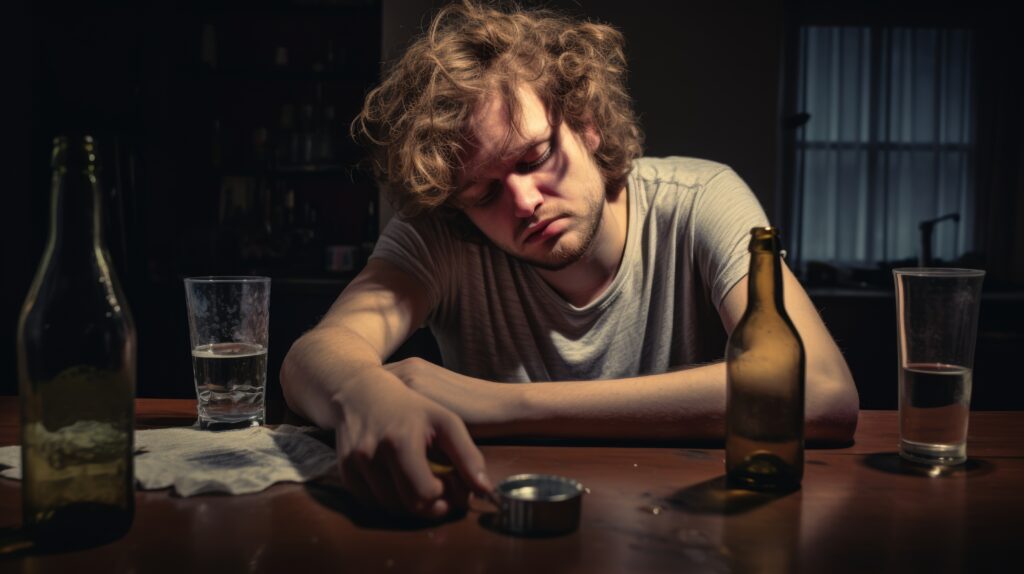
Addiction doesn’t usually begin with something obvious. There’s no clear warning sign that says, “this is serious.” Instead, it shows up quietly—maybe a change in mood, less communication, or habits that feel a little off. What happens if you don’t treat addiction on time? This is a question many families ignore until serious damage begins… Someone is secretly using drugs.
At first, it’s easy to ignore. Most families do.
You tell yourself it’s stress, pressure, or just a rough phase. But over time, things don’t improve—they slowly get worse.
What many people don’t realize is that addiction builds in the background. By the time it becomes visible, it has already started affecting health, thinking, and behavior. That’s why learning how to know if someone is secretly using drugs can make a huge difference—it helps you with addiction and anger management catch the problem before it reaches a critical stage.
Addiction doesn’t happen all at once. It develops step by step, often without anyone noticing how serious it has become.
In the beginning, everything seems manageable:
Nothing feels urgent at this stage, which is exactly why it’s often ignored.
As time passes, the changes become harder to ignore:
Families may notice something is wrong—but many still hesitate to confront it.
This is where things become serious:
At this point, waiting is no longer an option. Immediate help is needed.
Addiction affects both the body and the mind, often in ways that are easy to overlook at first.
These are not random issues. They are clear early signs of substance abuse that tend to worsen over time.
One of the most painful parts of addiction is how it affects relationships.
At first, it might just feel like distance. Then slowly:
Families often describe it as “losing the person they once knew.” These changes don’t happen overnight—they build gradually, often starting with small behavioral shifts.
Addiction doesn’t just affect emotions—it can create serious financial pressure too.
You might notice:
At the same time, lifestyle changes become more obvious:
These patterns are often early red flags of hidden addiction.
A common mistake families make is hoping things will fix themselves.
Unfortunately, addiction doesn’t work that way.
The longer it continues:
By the time action is taken, the situation is often much more complicated than it needed to be.
It’s not always easy to decide when to step in. But some signs shouldn’t be ignored:
When these patterns repeat, it usually means the problem has gone beyond control.
The good news is—addiction can be treated. And the earlier you act, the better the chances.
Early support can:
Waiting only makes the process harder. Acting early makes it manageable.
Trying to handle addiction without support can be overwhelming. That’s where professional care becomes important.
At Koshish Clinic, Addiction treatment center in Lahore the focus is not just on stopping substance use, but on helping individuals rebuild their lives with:
Having the right guidance can make a real difference in how recovery unfolds.
If something feels wrong, it probably is.
Ignoring the signs won’t make them disappear—it only gives the problem more time to grow.
👉 Notice the patterns
👉 Trust your instincts
👉 Take action early
A simple step today can prevent serious consequences tomorrow.
What happens if addiction is not treated on time?
If addiction is ignored, it usually becomes more severe. Over time, it can affect physical health, mental well-being, relationships, and financial stability.
Can addiction get worse without treatment?
Yes, addiction tends to progress. Without help, substance use increases and the impact on health and behavior becomes more serious.
Why is early treatment important?
Early treatment helps reduce long-term damage and improves the chances of recovery. It also makes the process less complicated compared to late-stage addiction.
When should someone consider rehab?
Rehab should be considered when substance use starts affecting daily life, health, or relationships, or when a person is unable to stop despite negative effects.
We are committed to guiding people on their journey to recovery with professional care, compassion, and proven treatment programs.
Copyright © 2025 Zuriel Digital Sol. All Rights Reserved.
WhatsApp us